Original: $6.07
-65%$6.07
$2.12The Story
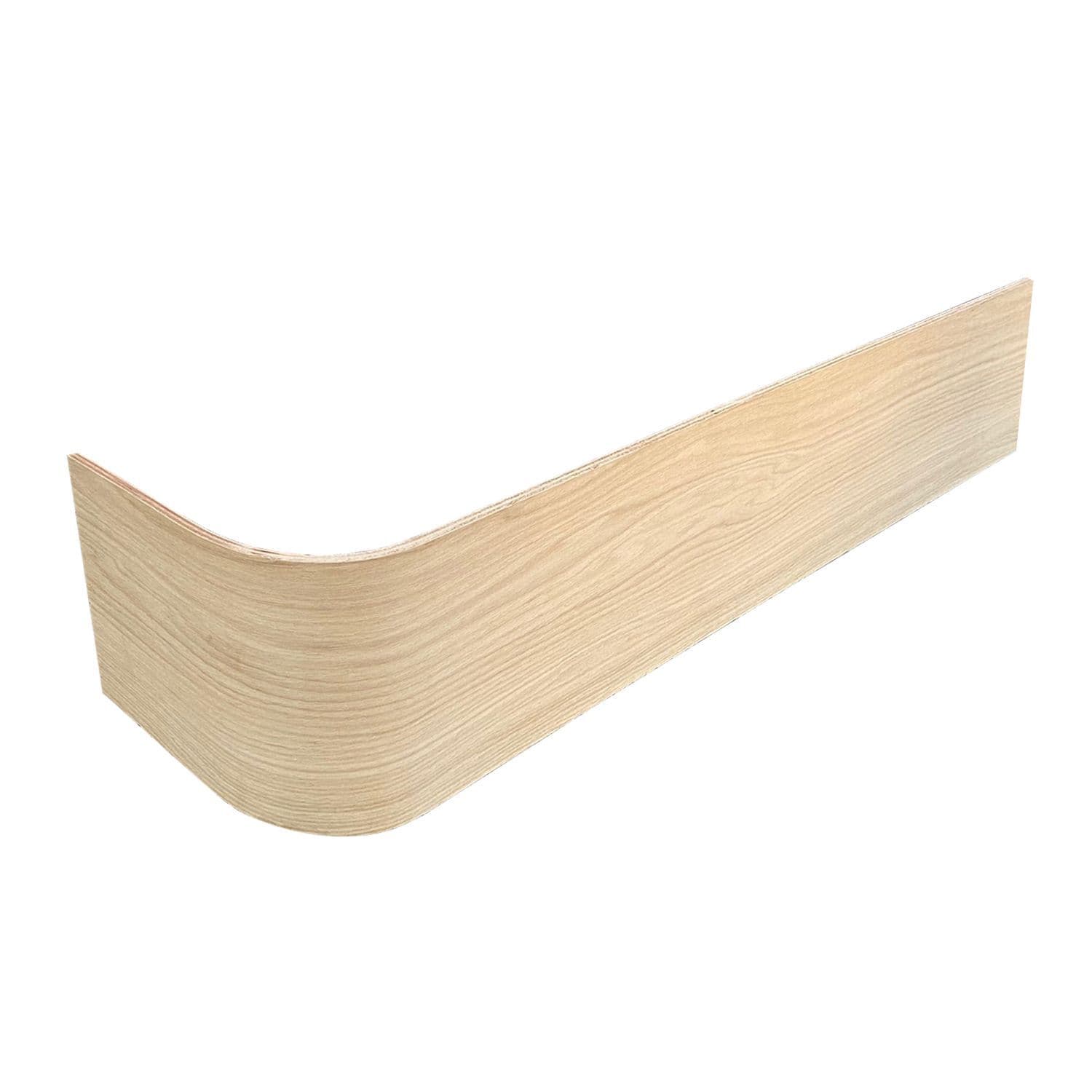
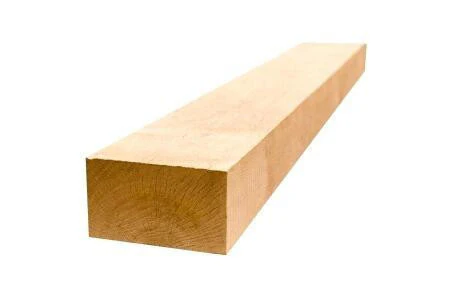
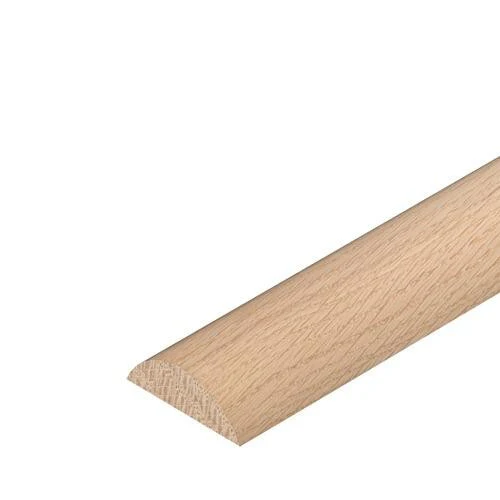
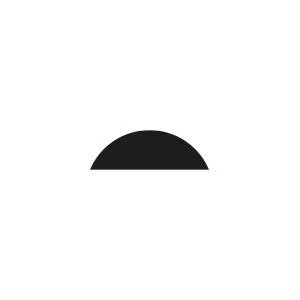
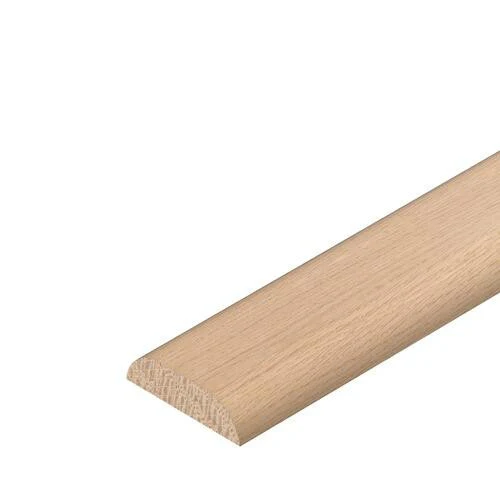
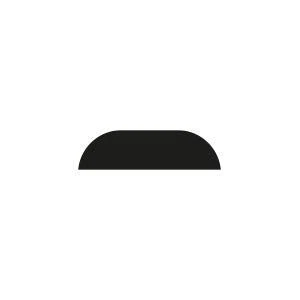
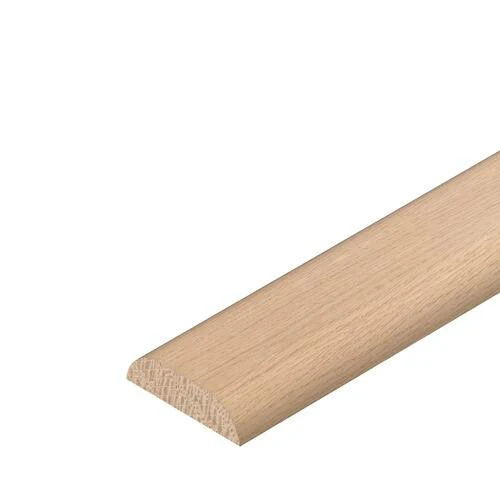
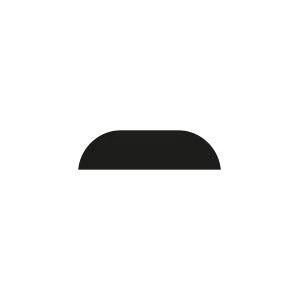
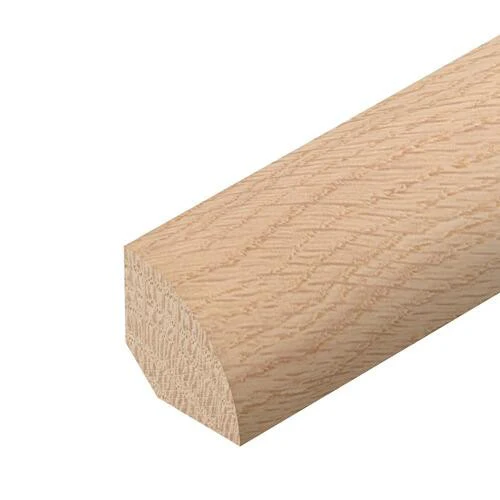
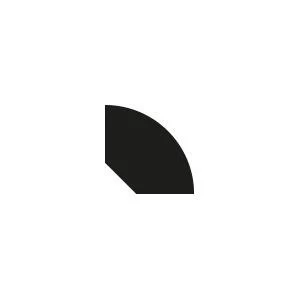
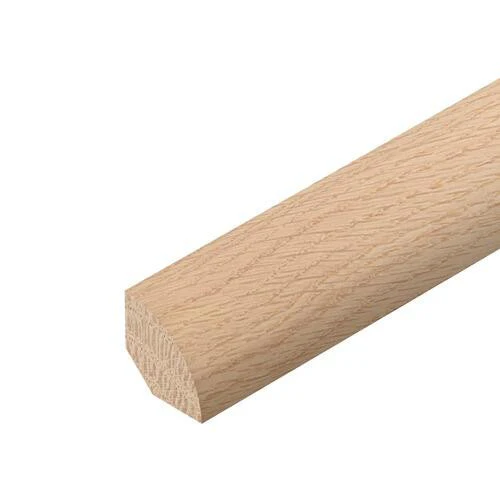
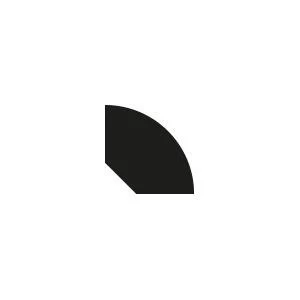
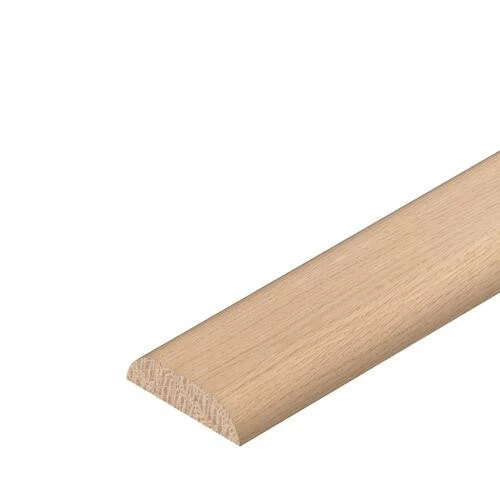
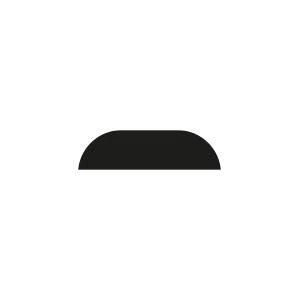
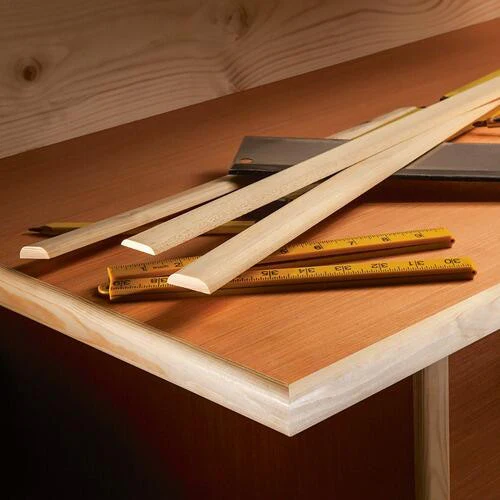
Oak D mould cover moulding at 6mm x 18mm x 2400mm is a slim, traditional hardwood cover mould used to conceal gaps, neaten joints and add a decorative finish to walls, ceilings, furniture and joinery. The soft D-shaped profile sits flush against surfaces for a clean, professional result.
Specifications
| Property | Detail |
|---|---|
| Material | European Oak (hardwood) |
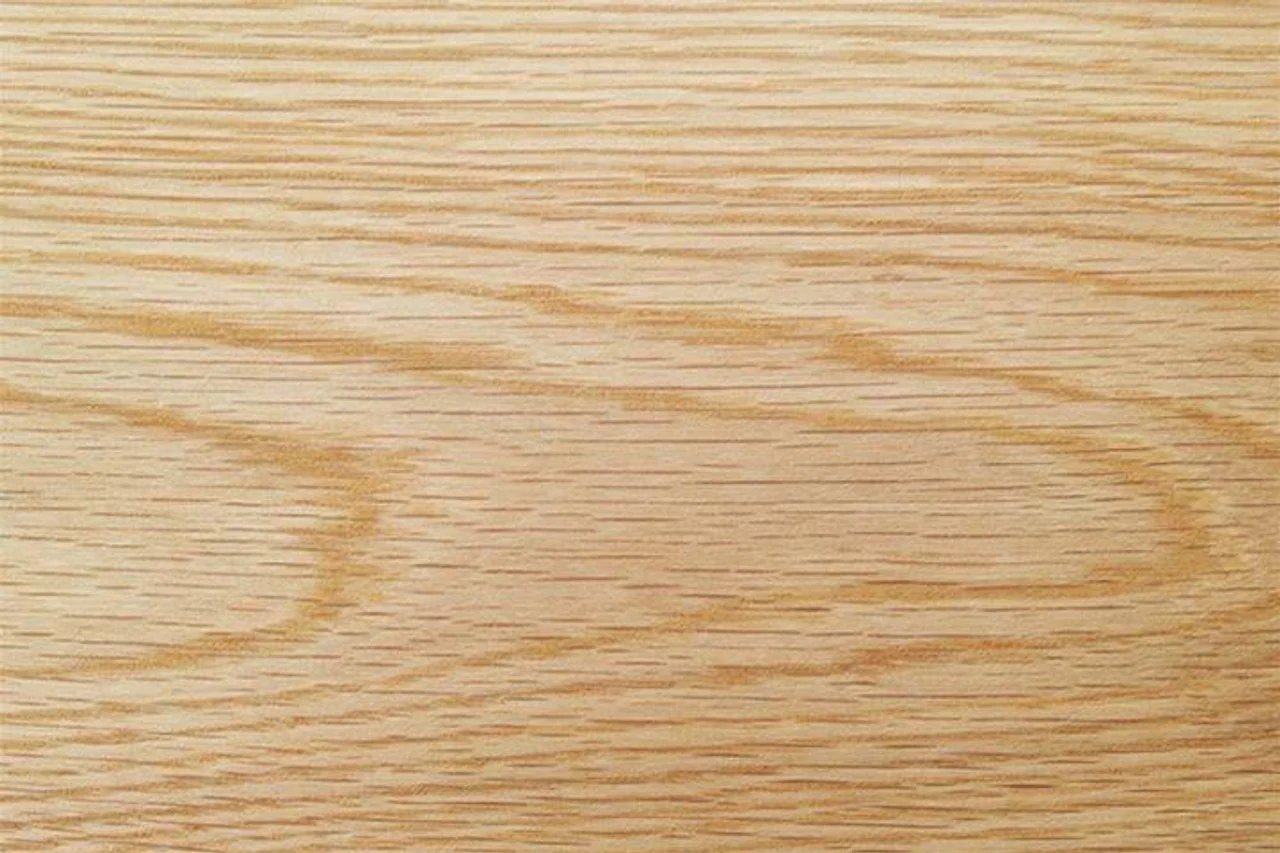
| Finish | Planed smooth |
| Nominal Size | 6mm x 18mm |
| Length | 2400mm |
| Profile | D mould (cover moulding) |
What it's used for
- Covering expansion gaps around oak flooring, parquet or engineered boards where a discreet trim is needed
- Finishing the junction between wall panelling and ceiling, or between two panels meeting at a corner
- Trimming out furniture carcasses, cabinet faces and fitted wardrobes where a neat decorative edge is required
- Complementing existing oak architraves and skirting to complete a room scheme with a consistent timber tone
Fitting and handling
Allow the moulding to acclimatise in the room where it will be fixed for at least 48 hours before installation, particularly in heated interiors, to minimise any movement after fixing. Secure with a suitable wood adhesive and lost-head pins or a pin nailer, punching fixings below the surface and filling before finishing. Oak can be left natural, oiled or lacquered to match surrounding joinery - always finish all faces, including the back, to help stabilise moisture uptake.
FAQ
What is oak D mould cover moulding used for?
It is used to cover gaps, neaten joints and add a decorative edge to walls, ceilings, furniture and flooring installations. The D-shaped profile sits flat against the surface, making it particularly useful for hiding expansion gaps around hardwood flooring or covering the joint between two panels.
How do I fix oak cover moulding to a wall or floor?
The most common method is a combination of wood adhesive and fine lost-head pins or a pin nailer. Punch the pins below the surface, fill, sand smooth and finish with oil or lacquer once the adhesive has cured. Avoid relying on pins alone on smooth plaster surfaces where adhesion is limited.
Can I paint or stain oak D mould cover moulding?
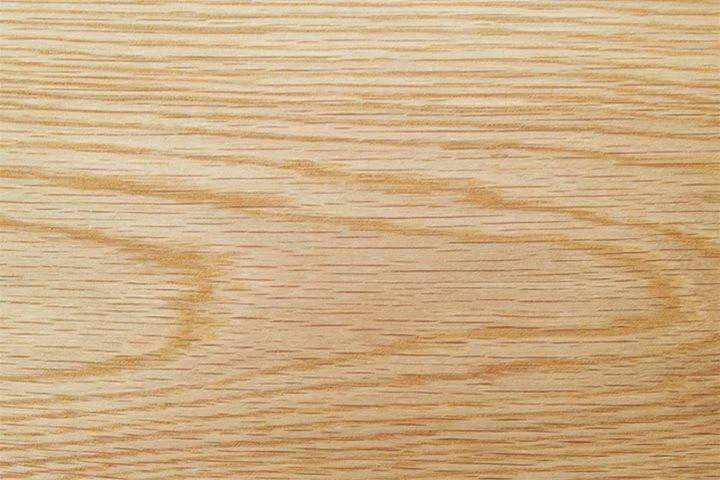
Yes. Oak accepts oil, wax, stain and lacquer finishes well. Because oak has a relatively open grain, applying a grain filler or sanding sealer first will give a smoother result if you are using a clear lacquer. If painting, use a suitable hardwood primer before your top coat.
Browse the full range of oak moulding profiles at Nottage Timber Merchants in our oak mouldings collection. We supply trade and retail customers across Bridgend and South Wales, with stock available for collection or local delivery.
Details & Craftsmanship
Every detail has been carefully considered to bring you the perfect product.
Details & Craftsmanship
Every detail has been carefully considered to bring you the perfect product.
Description
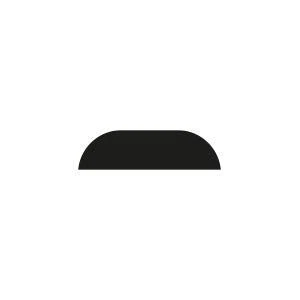
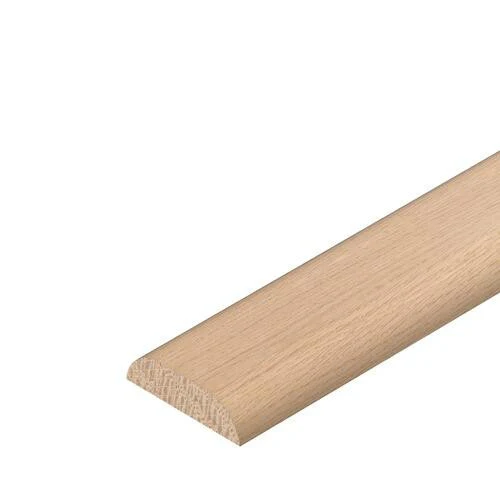
Oak D mould cover moulding at 6mm x 18mm x 2400mm is a slim, traditional hardwood cover mould used to conceal gaps, neaten joints and add a decorative finish to walls, ceilings, furniture and joinery. The soft D-shaped profile sits flush against surfaces for a clean, professional result.
Specifications
| Property | Detail |
|---|---|
| Material | European Oak (hardwood) |
| Finish | Planed smooth |
| Nominal Size | 6mm x 18mm |
| Length | 2400mm |
| Profile | D mould (cover moulding) |
What it's used for
- Covering expansion gaps around oak flooring, parquet or engineered boards where a discreet trim is needed
- Finishing the junction between wall panelling and ceiling, or between two panels meeting at a corner
- Trimming out furniture carcasses, cabinet faces and fitted wardrobes where a neat decorative edge is required
- Complementing existing oak architraves and skirting to complete a room scheme with a consistent timber tone
Fitting and handling
Allow the moulding to acclimatise in the room where it will be fixed for at least 48 hours before installation, particularly in heated interiors, to minimise any movement after fixing. Secure with a suitable wood adhesive and lost-head pins or a pin nailer, punching fixings below the surface and filling before finishing. Oak can be left natural, oiled or lacquered to match surrounding joinery - always finish all faces, including the back, to help stabilise moisture uptake.
FAQ
What is oak D mould cover moulding used for?
It is used to cover gaps, neaten joints and add a decorative edge to walls, ceilings, furniture and flooring installations. The D-shaped profile sits flat against the surface, making it particularly useful for hiding expansion gaps around hardwood flooring or covering the joint between two panels.
How do I fix oak cover moulding to a wall or floor?
The most common method is a combination of wood adhesive and fine lost-head pins or a pin nailer. Punch the pins below the surface, fill, sand smooth and finish with oil or lacquer once the adhesive has cured. Avoid relying on pins alone on smooth plaster surfaces where adhesion is limited.
Can I paint or stain oak D mould cover moulding?
Yes. Oak accepts oil, wax, stain and lacquer finishes well. Because oak has a relatively open grain, applying a grain filler or sanding sealer first will give a smoother result if you are using a clear lacquer. If painting, use a suitable hardwood primer before your top coat.
Browse the full range of oak moulding profiles at Nottage Timber Merchants in our oak mouldings collection. We supply trade and retail customers across Bridgend and South Wales, with stock available for collection or local delivery.