Original: $18.84
-65%$18.84
$6.59The Story
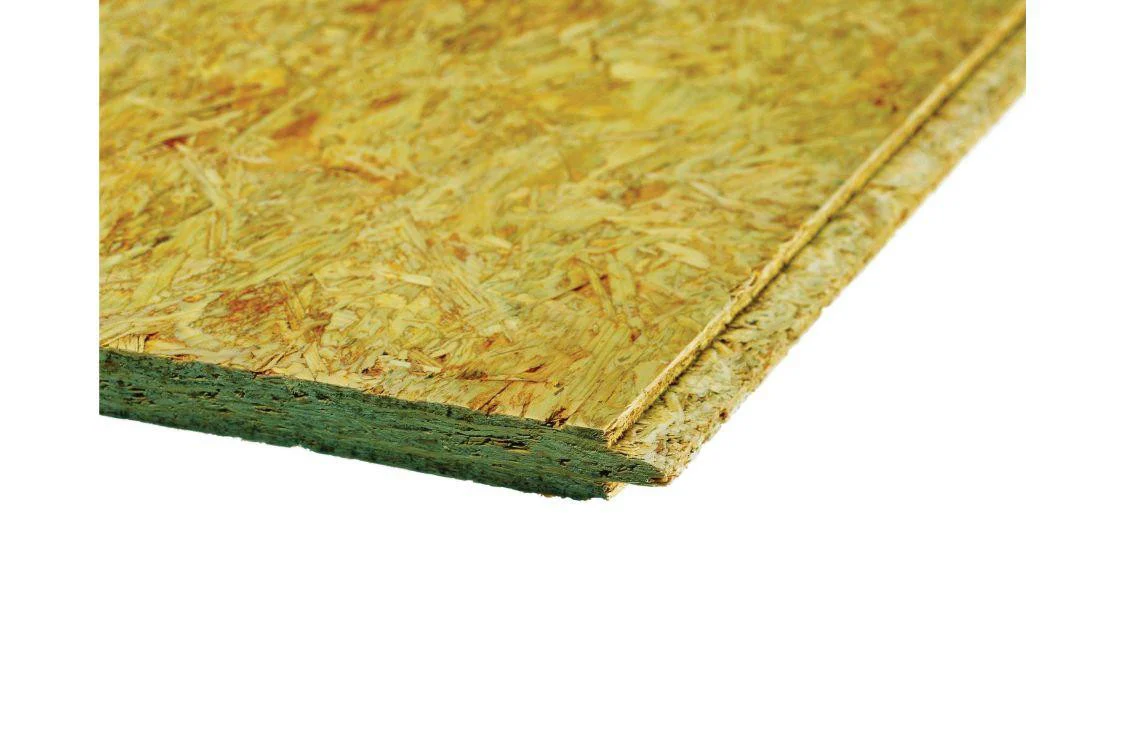
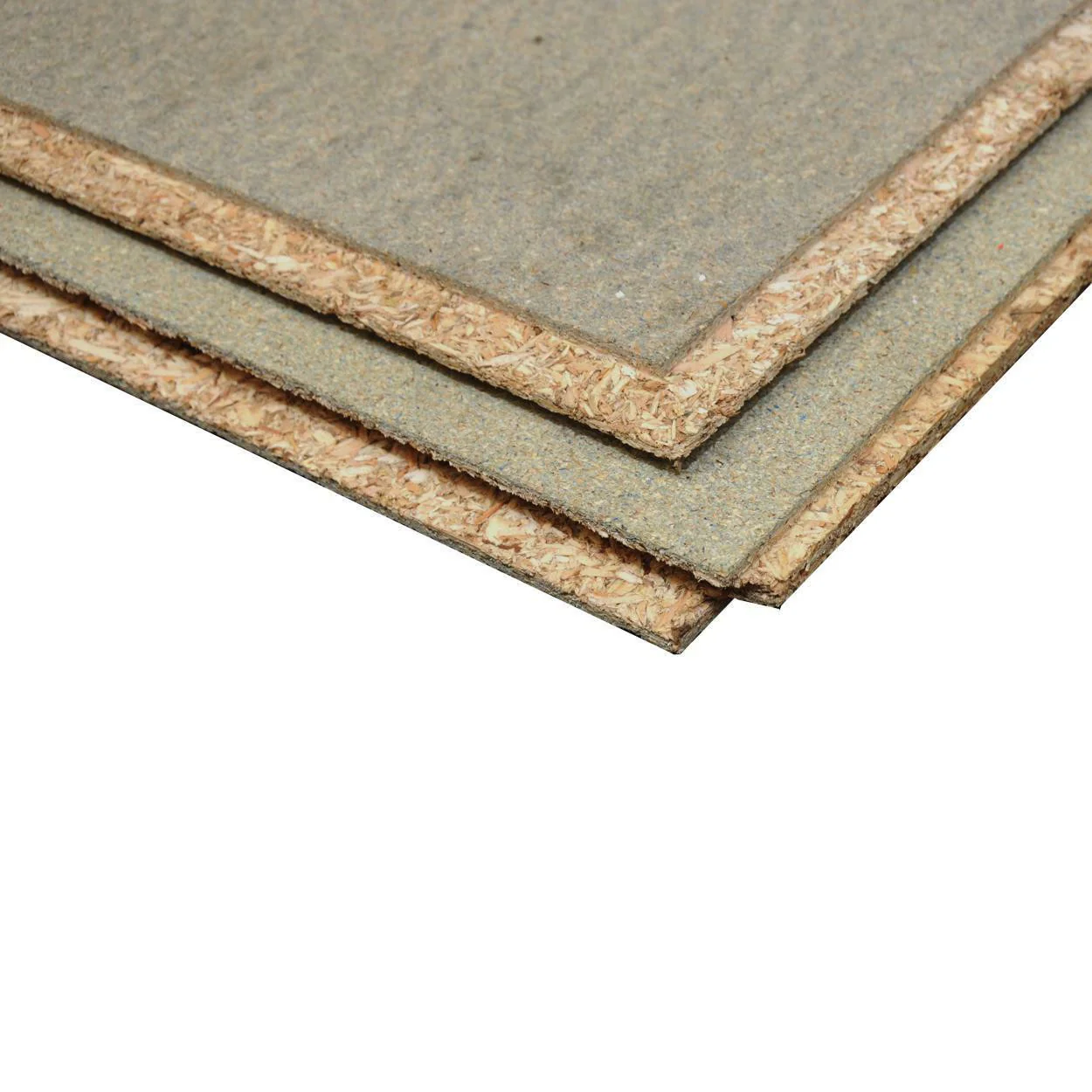
P5 tongue and groove chipboard flooring is a moisture-resistant structural panel board manufactured to EN 312 P5 standards, designed for use as a walking deck over timber joists on upper floors, ground floors, and loft conversions. Available in 18mm and 22mm thicknesses in 600mm x 2400mm sheets.
Specifications
| Material | Chipboard (particle board) |
|---|---|
| Grade | P5 to EN 312 |
| Treatment | Moisture-resistant binder throughout |
| Profile | Tongue and groove on long edges |
| Nominal Size (18mm) | 18mm x 600mm x 2400mm |
| Nominal Size (22mm) | 22mm x 600mm x 2400mm |
| Finish | Sanded face |
What it's used for
- Upper floor decking laid over timber joists in new-build and renovation projects
- Loft conversions where a solid, load-bearing floor deck is required
- Ground floor construction over joists where moisture during build is a concern
- Mezzanine floors and timber frame construction requiring a structural walking surface
Fitting and handling
Store boards flat and off the ground, under cover, before installation to prevent moisture uptake from the slab or ground beneath. Apply PVA or flooring adhesive to the tongue and groove joint before tapping boards together, then fix through the face or secret-nail through the tongue at each joist, using ring-shank nails or screws at no more than 300mm centres. Leave a 10mm expansion gap around the perimeter of the room before laying any finished floor covering such as carpet, laminate, or vinyl.
FAQ
What is the difference between P5 and standard chipboard flooring?
P5 chipboard is manufactured with a moisture-resistant resin binder, making it significantly more tolerant of site moisture during construction than standard P4 or plain chipboard. It is less likely to swell at the edges if exposed to temporary dampness, though it is not waterproof and should not be left permanently wet.
Should I use 18mm or 22mm P5 chipboard for my floor?
For most domestic upper floors with joists at 450mm centres, 18mm is generally sufficient. Where joists are at 600mm centres, or where the floor will carry heavier loads such as in a loft conversion used as a habitable room, 22mm is the recommended choice for additional stiffness and load distribution.
Can P5 chipboard flooring be used in a loft conversion?
Yes. P5 tongue and groove chipboard is widely used in loft conversions across the UK as the structural floor deck. The interlocking T&G profile spreads loads across adjoining boards and reduces squeaking over time, making it well suited to habitable loft rooms. Always check that your joist sizing and spacing meet building regulations for the intended use.
Nottage Timber Merchants supply P5 tongue and groove chipboard flooring from stock in Bridgend, South Wales, with next-day delivery available across South Wales. For additional boarding products, browse our full range of subfloor and loft boards. Trade quantities and cut-to-order enquiries welcome, call us direct.
Description
P5 tongue and groove chipboard flooring is a moisture-resistant structural panel board manufactured to EN 312 P5 standards, designed for use as a walking deck over timber joists on upper floors, ground floors, and loft conversions. Available in 18mm and 22mm thicknesses in 600mm x 2400mm sheets.
Specifications
| Material | Chipboard (particle board) |
|---|---|
| Grade | P5 to EN 312 |
| Treatment | Moisture-resistant binder throughout |
| Profile | Tongue and groove on long edges |
| Nominal Size (18mm) | 18mm x 600mm x 2400mm |
| Nominal Size (22mm) | 22mm x 600mm x 2400mm |
| Finish | Sanded face |
What it's used for
- Upper floor decking laid over timber joists in new-build and renovation projects
- Loft conversions where a solid, load-bearing floor deck is required
- Ground floor construction over joists where moisture during build is a concern
- Mezzanine floors and timber frame construction requiring a structural walking surface
Fitting and handling
Store boards flat and off the ground, under cover, before installation to prevent moisture uptake from the slab or ground beneath. Apply PVA or flooring adhesive to the tongue and groove joint before tapping boards together, then fix through the face or secret-nail through the tongue at each joist, using ring-shank nails or screws at no more than 300mm centres. Leave a 10mm expansion gap around the perimeter of the room before laying any finished floor covering such as carpet, laminate, or vinyl.
FAQ
What is the difference between P5 and standard chipboard flooring?
P5 chipboard is manufactured with a moisture-resistant resin binder, making it significantly more tolerant of site moisture during construction than standard P4 or plain chipboard. It is less likely to swell at the edges if exposed to temporary dampness, though it is not waterproof and should not be left permanently wet.
Should I use 18mm or 22mm P5 chipboard for my floor?
For most domestic upper floors with joists at 450mm centres, 18mm is generally sufficient. Where joists are at 600mm centres, or where the floor will carry heavier loads such as in a loft conversion used as a habitable room, 22mm is the recommended choice for additional stiffness and load distribution.
Can P5 chipboard flooring be used in a loft conversion?
Yes. P5 tongue and groove chipboard is widely used in loft conversions across the UK as the structural floor deck. The interlocking T&G profile spreads loads across adjoining boards and reduces squeaking over time, making it well suited to habitable loft rooms. Always check that your joist sizing and spacing meet building regulations for the intended use.
Nottage Timber Merchants supply P5 tongue and groove chipboard flooring from stock in Bridgend, South Wales, with next-day delivery available across South Wales. For additional boarding products, browse our full range of subfloor and loft boards. Trade quantities and cut-to-order enquiries welcome, call us direct.