The Story
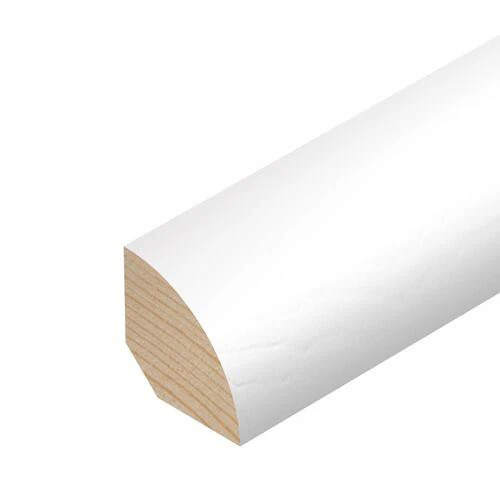
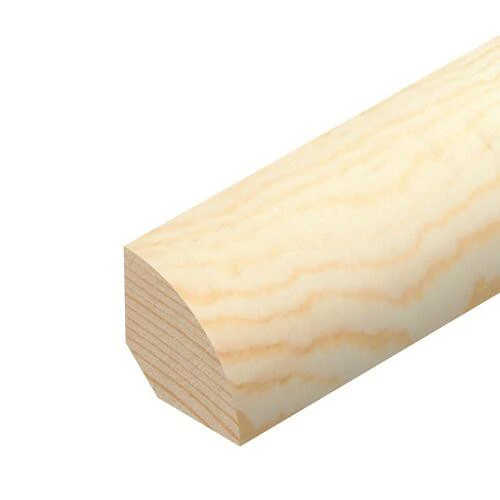
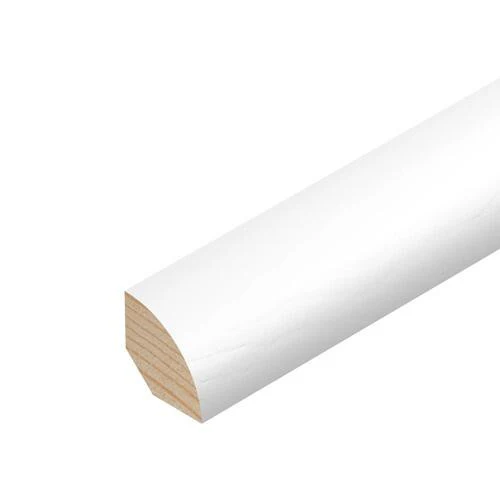
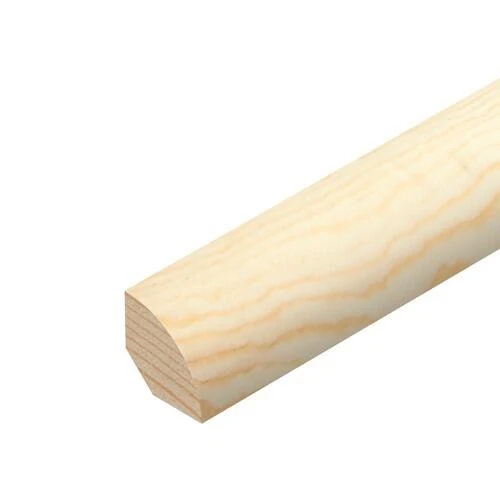
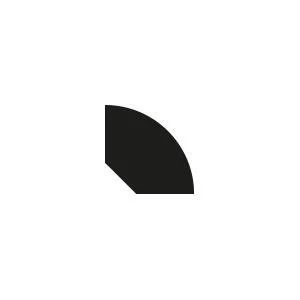
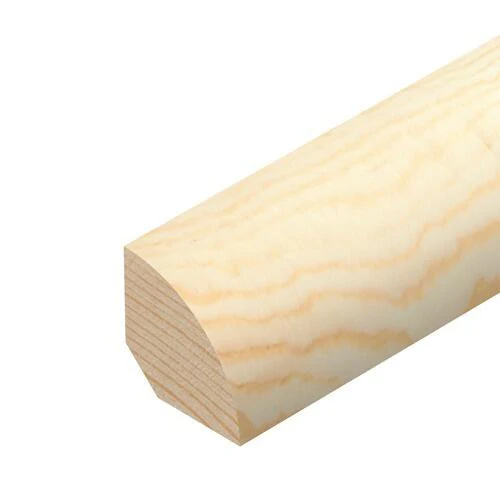
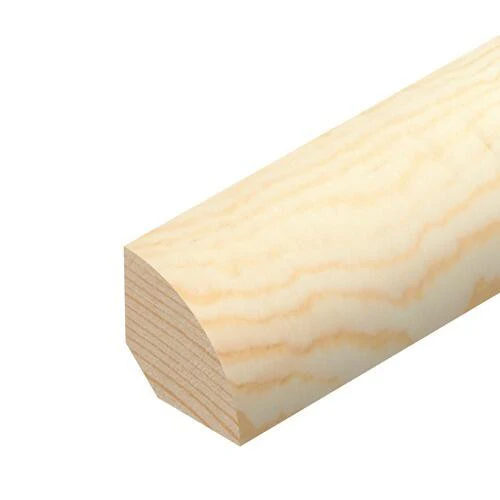
Pine quadrant moulding 18mm x 18mm x 2400mm is a small-section, quarter-round pine strip used to conceal expansion gaps around wooden flooring and to neaten internal corner joints. Lightweight, straight-grained and easy to machine, it suits most interior finishing work.
Specifications
| Property | Detail |
|---|---|
| Material | Pine (softwood) |
| Nominal Size | 18mm x 18mm |
| Length | 2400mm |
| Profile | Quadrant (quarter-round) |
| Finish | Smooth, ready to paint or stain |
| Use Class | Internal use only |
What it's used for
- Covering expansion gaps at the perimeter of solid and engineered wood flooring, laminate and LVT
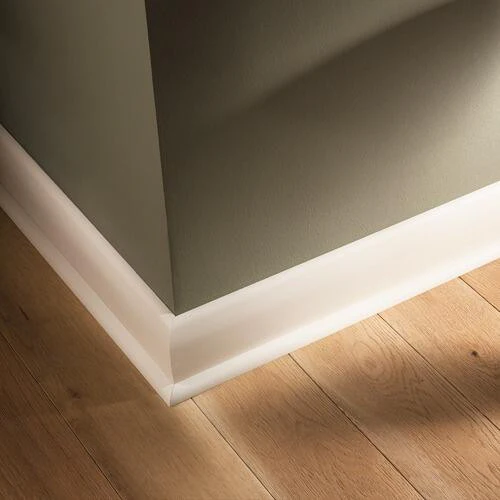
- Finishing internal corner joints between walls, skirting boards and floor surfaces
- Neatening the junction between worktops, upstands and tiled splashbacks in kitchens
- General internal trim work where a small, curved profile gives a cleaner finish than a square fillet
Fitting and handling
Store the moulding flat in the room where it will be fitted for at least 24 hours before installation, allowing it to acclimatise to the ambient temperature and humidity and reducing the risk of movement after fixing. It can be secured with lost-head oval pins, finishing nails or a suitable wood adhesive; avoid fixing it rigidly through the floor covering itself, particularly where it is serving as an expansion cover. Once fixed, fill any pin holes and apply two coats of interior paint, wood stain or clear varnish to protect the surface and achieve a consistent finish.
FAQ
What is the difference between a quadrant moulding and an Scotia moulding?
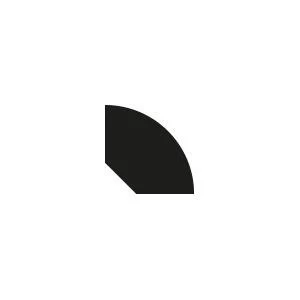
A quadrant moulding has a true quarter-circle profile, giving a compact, even curve. A Scotia has a concave profile and is typically used in larger-section coving or stair nosing applications. For floor edge and corner trim, quadrant is the more common choice.
Can I use this 18mm pine quadrant to cover the expansion gap on laminate flooring?
Yes. The 18mm x 18mm section is a standard size for this purpose and will cover most manufacturer-specified expansion gaps of 8mm to 12mm. Fix it to the skirting board or wall only, not to the floor, so the floor remains free to expand and contract.
Does pine quadrant moulding need treating before use inside?
For most interior applications a coat of primer followed by paint, or a wood stain and varnish, is sufficient. Pine will absorb moisture and can discolour if left bare in kitchens or bathrooms, so finishing promptly after fitting is recommended.
Browse the full range of pine mouldings at Nottage Timber Merchants, including larger quadrant sections, hockey stick trim and cover strips. We supply trade and retail customers across Bridgend and South Wales, with next-day delivery available to many local areas.

Details & Craftsmanship
Every detail has been carefully considered to bring you the perfect product.
Details & Craftsmanship
Every detail has been carefully considered to bring you the perfect product.
Description
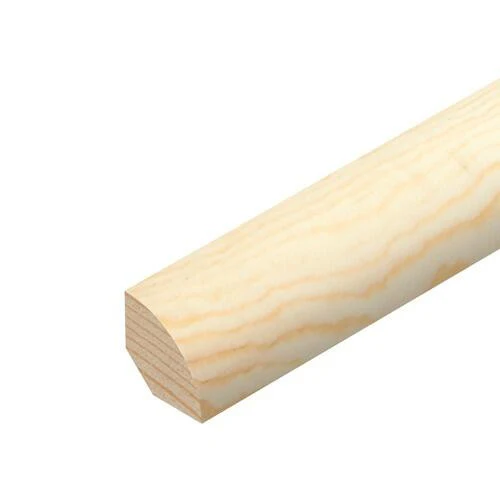
Pine quadrant moulding 18mm x 18mm x 2400mm is a small-section, quarter-round pine strip used to conceal expansion gaps around wooden flooring and to neaten internal corner joints. Lightweight, straight-grained and easy to machine, it suits most interior finishing work.
Specifications
| Property | Detail |
|---|---|
| Material | Pine (softwood) |
| Nominal Size | 18mm x 18mm |
| Length | 2400mm |
| Profile | Quadrant (quarter-round) |
| Finish | Smooth, ready to paint or stain |
| Use Class | Internal use only |
What it's used for
- Covering expansion gaps at the perimeter of solid and engineered wood flooring, laminate and LVT
- Finishing internal corner joints between walls, skirting boards and floor surfaces
- Neatening the junction between worktops, upstands and tiled splashbacks in kitchens
- General internal trim work where a small, curved profile gives a cleaner finish than a square fillet
Fitting and handling
Store the moulding flat in the room where it will be fitted for at least 24 hours before installation, allowing it to acclimatise to the ambient temperature and humidity and reducing the risk of movement after fixing. It can be secured with lost-head oval pins, finishing nails or a suitable wood adhesive; avoid fixing it rigidly through the floor covering itself, particularly where it is serving as an expansion cover. Once fixed, fill any pin holes and apply two coats of interior paint, wood stain or clear varnish to protect the surface and achieve a consistent finish.
FAQ
What is the difference between a quadrant moulding and an Scotia moulding?
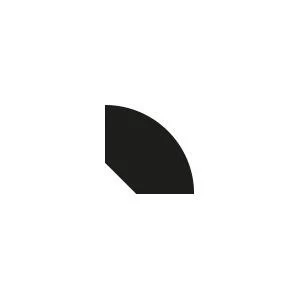
A quadrant moulding has a true quarter-circle profile, giving a compact, even curve. A Scotia has a concave profile and is typically used in larger-section coving or stair nosing applications. For floor edge and corner trim, quadrant is the more common choice.
Can I use this 18mm pine quadrant to cover the expansion gap on laminate flooring?
Yes. The 18mm x 18mm section is a standard size for this purpose and will cover most manufacturer-specified expansion gaps of 8mm to 12mm. Fix it to the skirting board or wall only, not to the floor, so the floor remains free to expand and contract.
Does pine quadrant moulding need treating before use inside?
For most interior applications a coat of primer followed by paint, or a wood stain and varnish, is sufficient. Pine will absorb moisture and can discolour if left bare in kitchens or bathrooms, so finishing promptly after fitting is recommended.
Browse the full range of pine mouldings at Nottage Timber Merchants, including larger quadrant sections, hockey stick trim and cover strips. We supply trade and retail customers across Bridgend and South Wales, with next-day delivery available to many local areas.