The Story
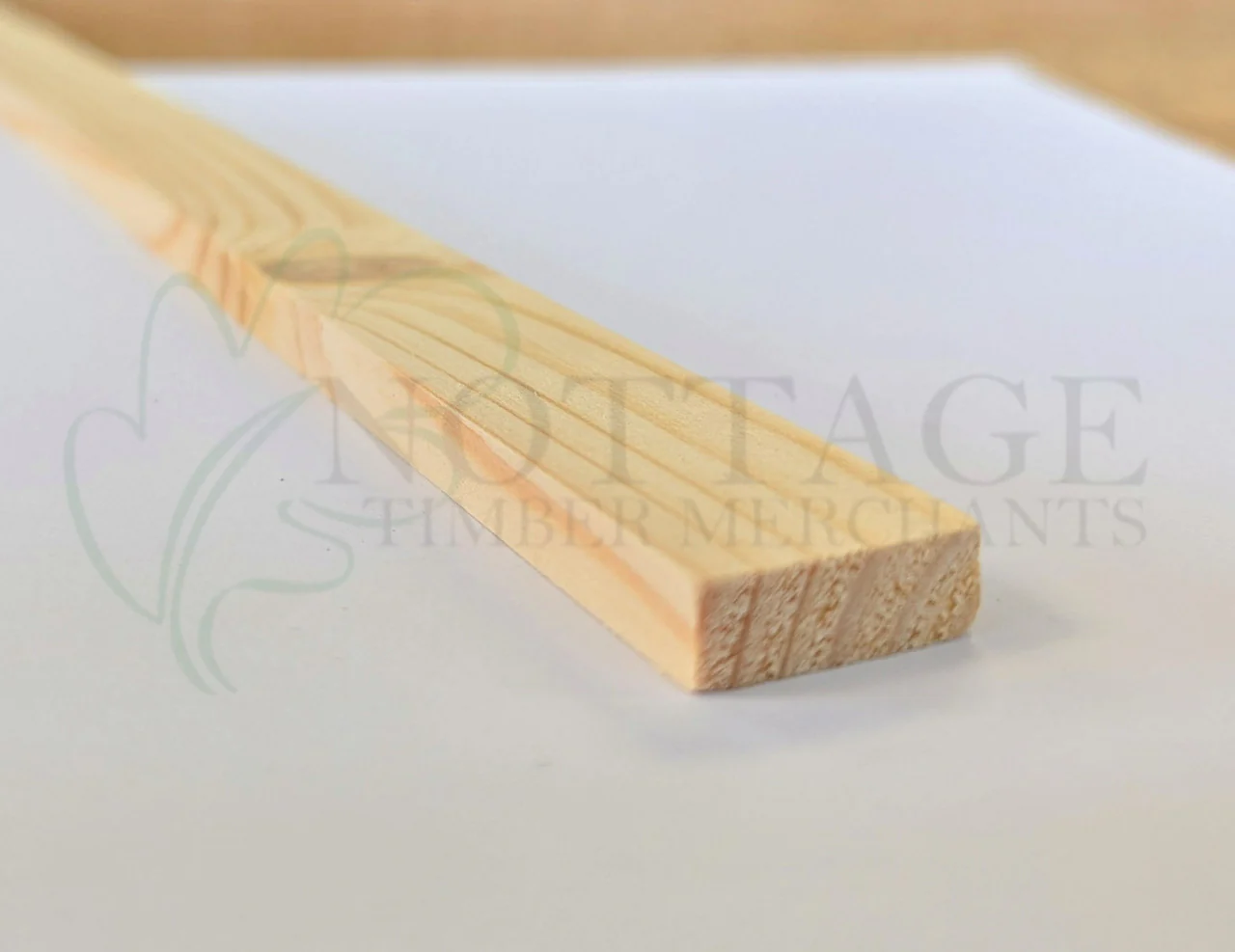
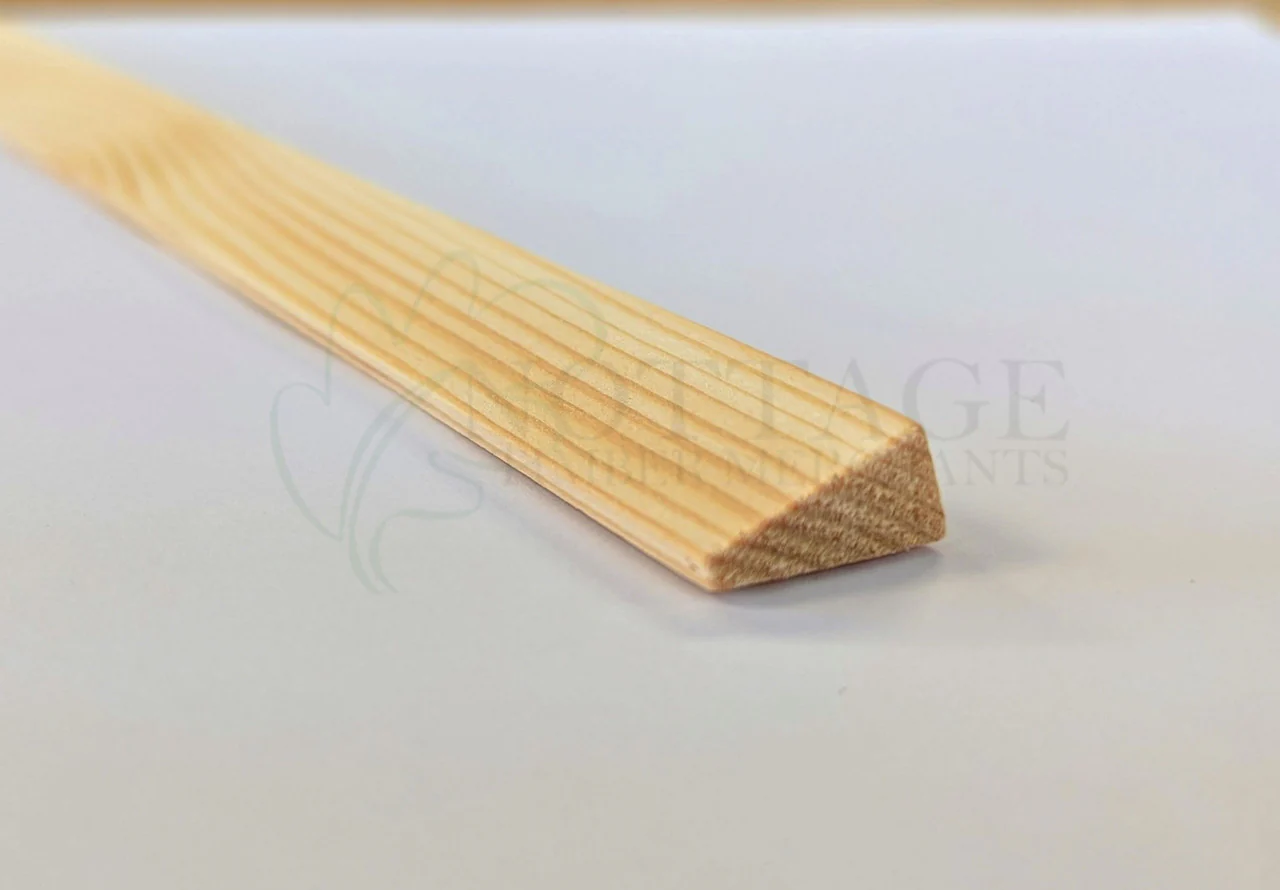
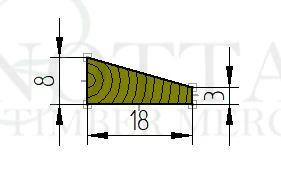
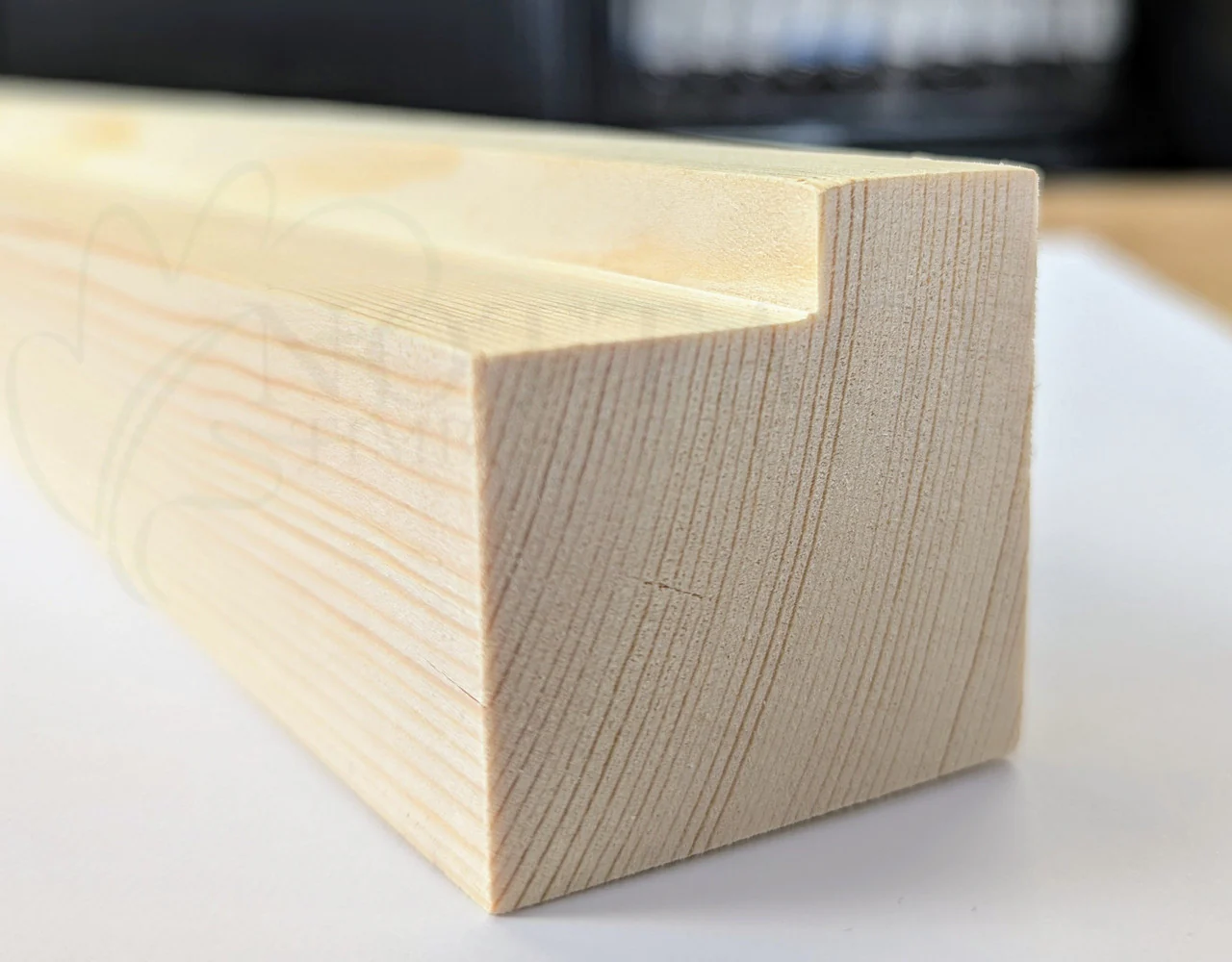
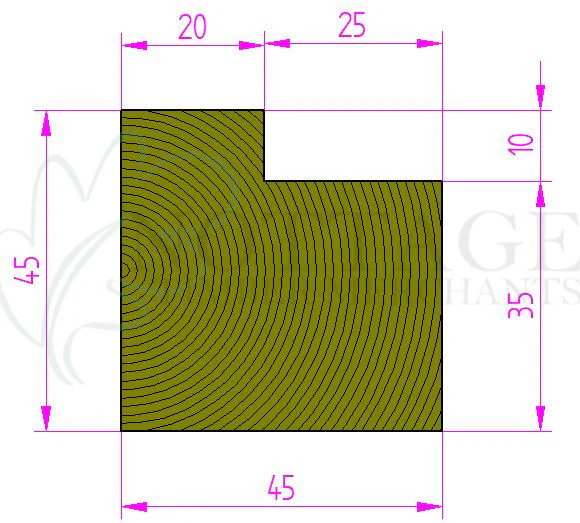
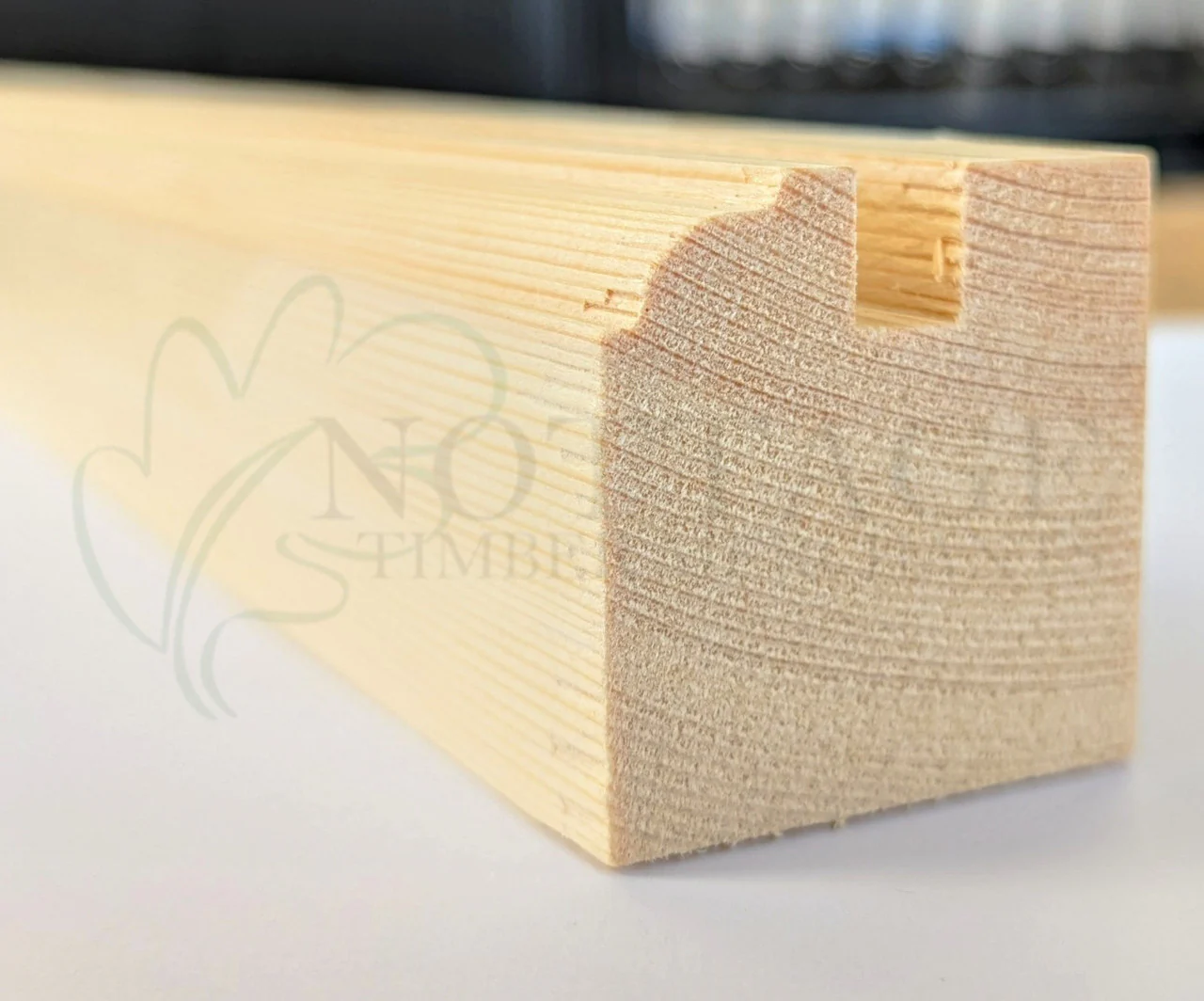
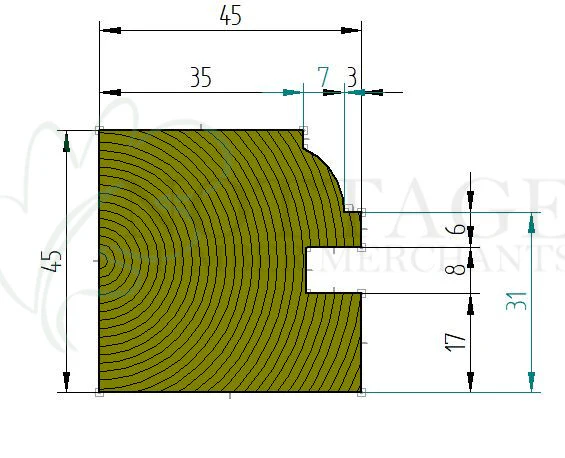
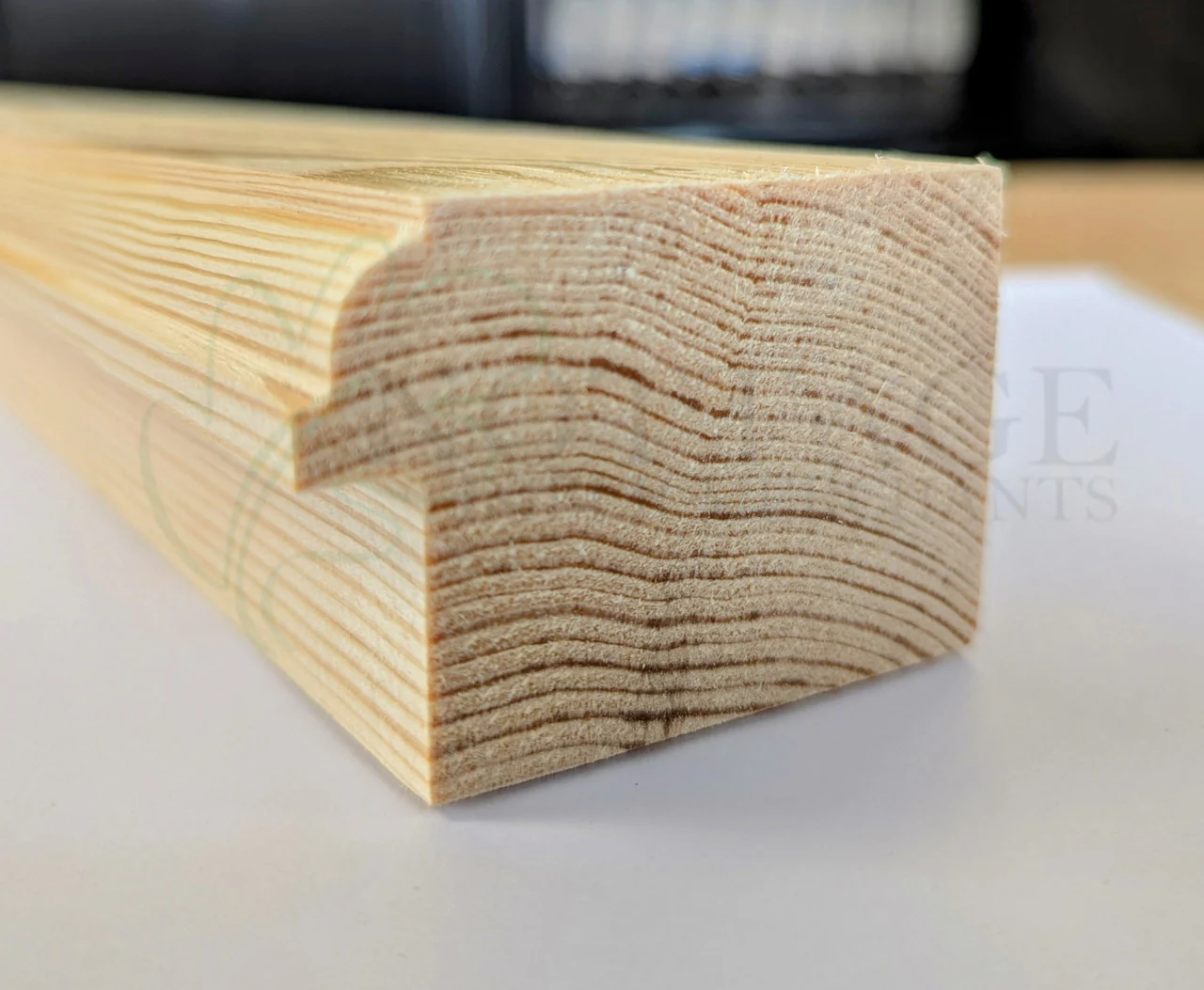
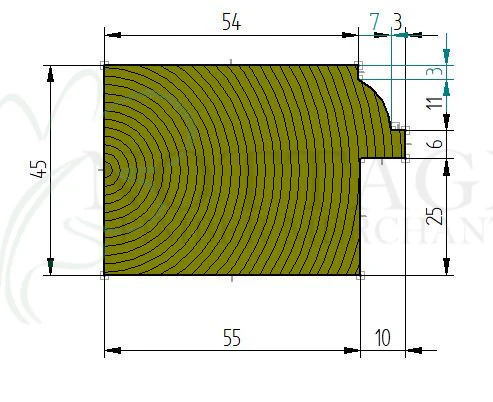
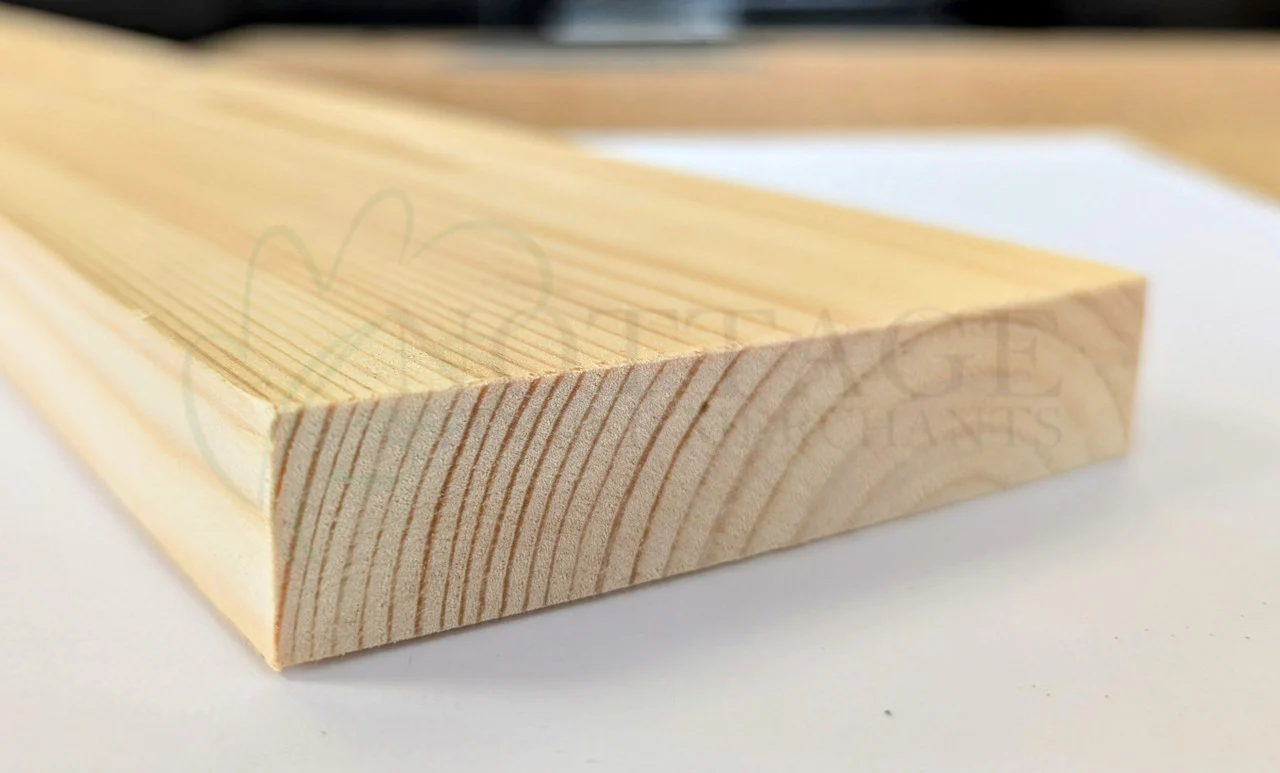
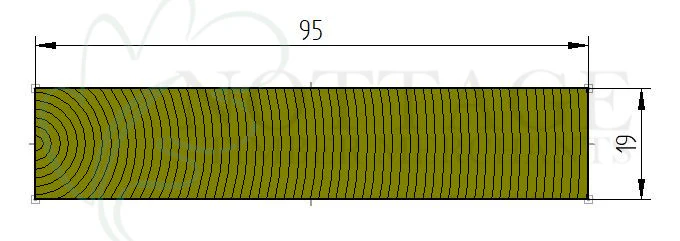
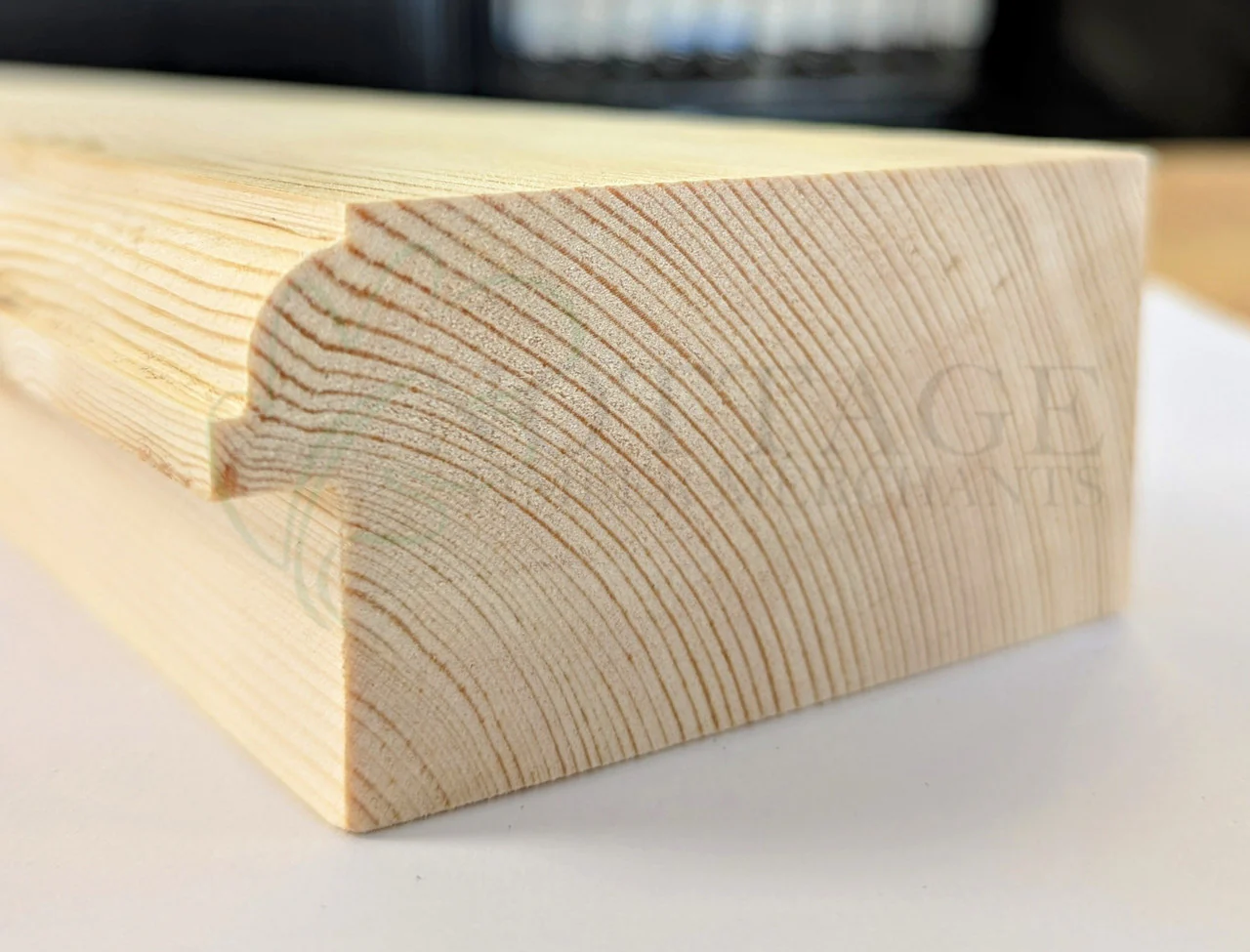
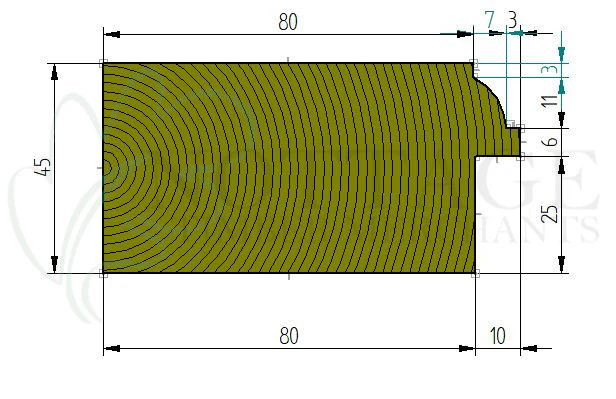
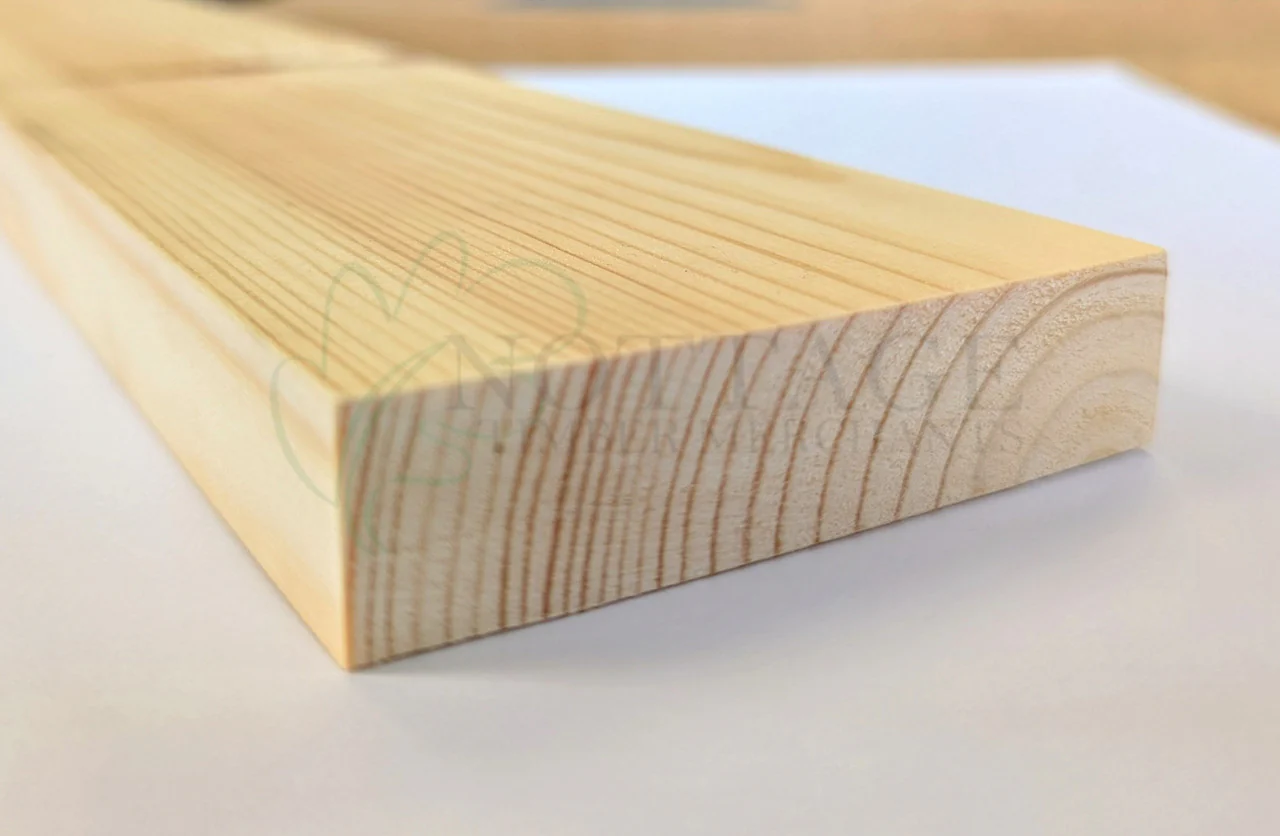
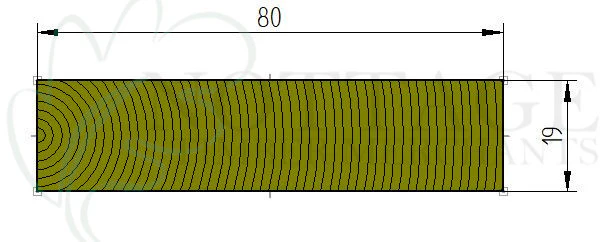
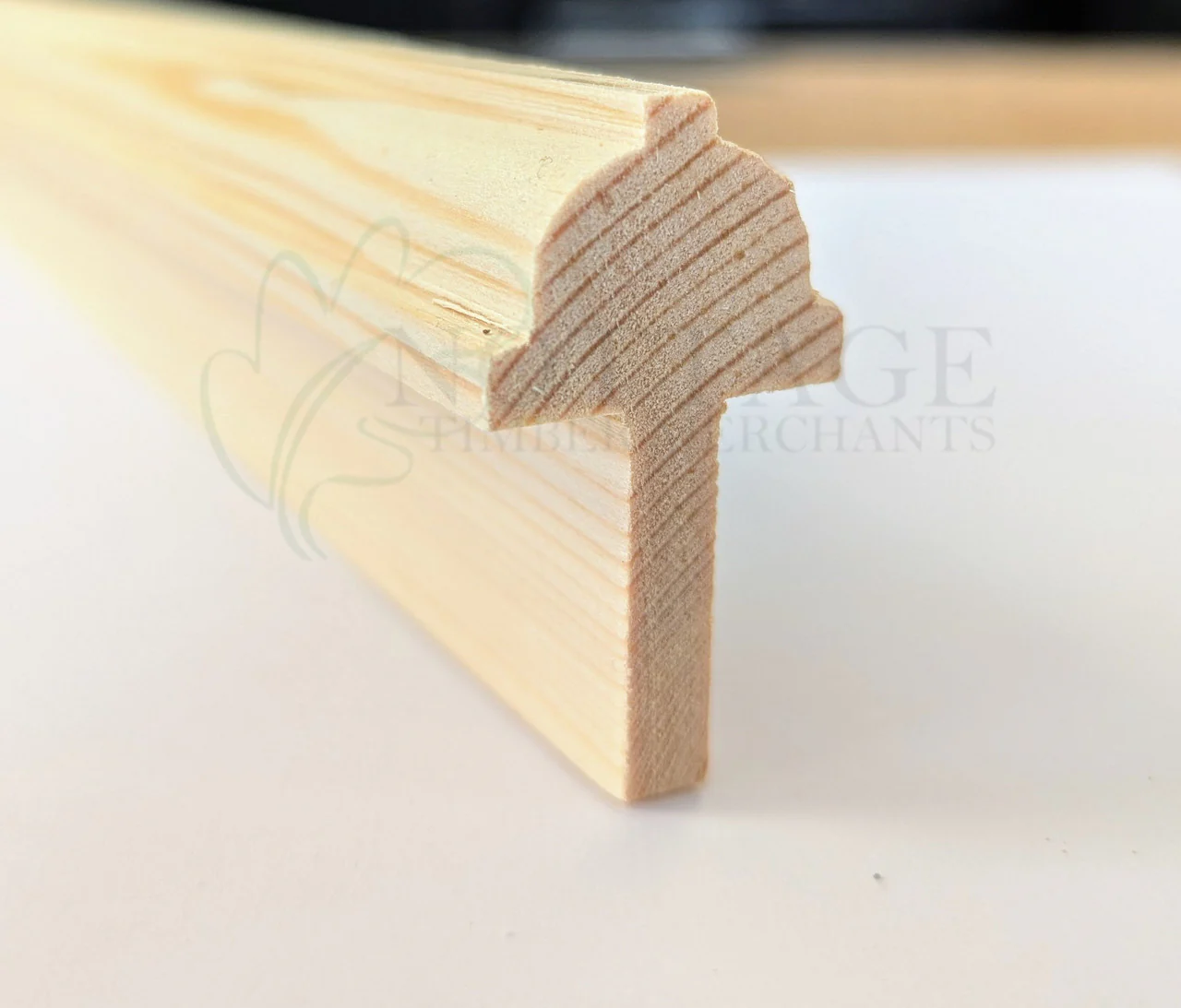
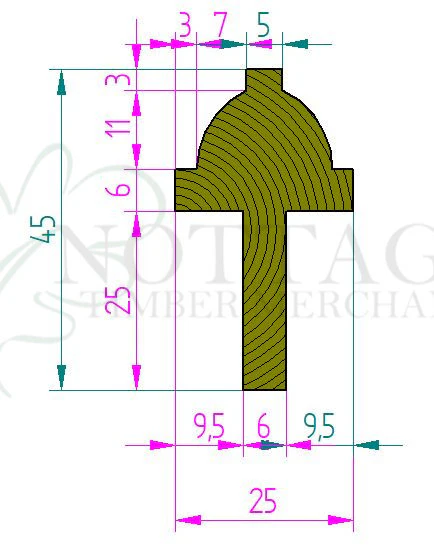
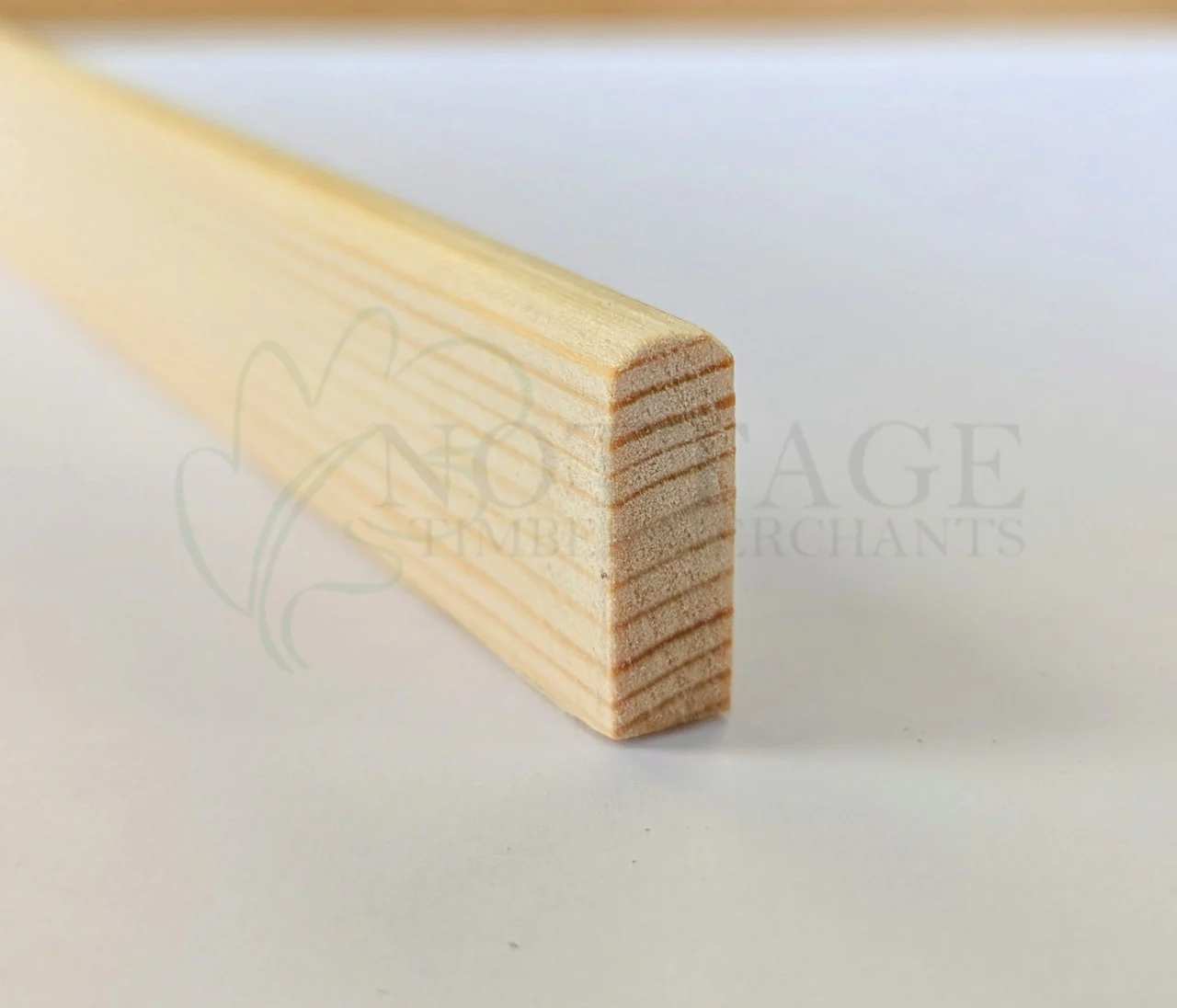
Sash window parting bead is the slim timber strip that divides the upper and lower sashes in a traditional sliding sash window, allowing both sashes to travel independently in their channels. Precision-machined to a standard parting bead profile, this 1.2 metre length suits repair and restoration work on period and listed properties.
Specifications
| Material | Timber (softwood) |
|---|---|
| Profile | Parting bead |
| Length | 1.2 m / 1200 mm / 4 ft |
| Finish | Planed / machined |
| Use Class | Internal joinery (UC1) |
What it's used for
- Like-for-like replacement of worn or split parting bead in existing sliding sash windows
- Full sash window restoration on Victorian, Edwardian, and Georgian period properties
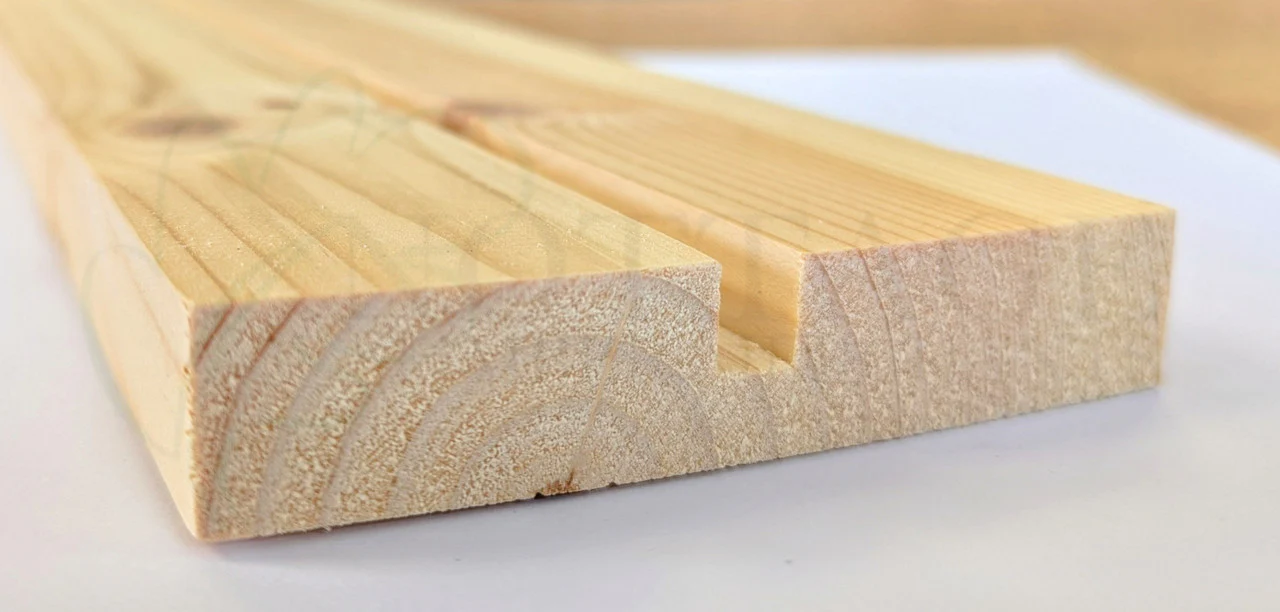
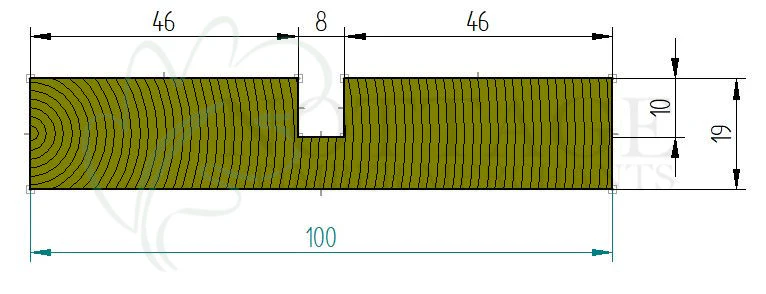
- Draught reduction when correctly fitted into the parting bead groove of the pulley stile
- Joinery repairs on listed buildings where original timber profiles must be retained
Fitting and handling
Before fitting, allow the parting bead to acclimatise inside the property for at least 48 hours so the timber stabilises to the internal humidity and reduces the risk of movement after installation. The bead slots into the routed groove in the pulley stile and is typically held in place by friction alone, though a small brad nail can be used at each end if required. Once fitted, apply a paint or primer coat to match the surrounding window joinery and help seal the timber against moisture ingress.
FAQ
What size is a standard sash window parting bead?
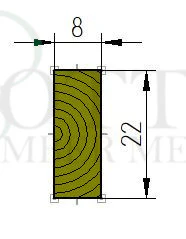
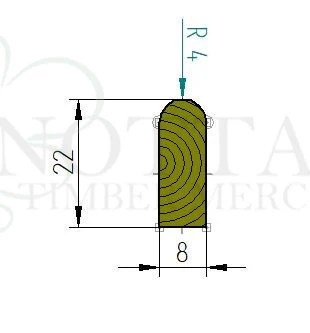
The most common parting bead profile measures approximately 10 mm wide by 20 mm deep, though sizes can vary between window manufacturers and periods of construction. Always measure the existing groove in your pulley stile before ordering to confirm the correct fit.
Can I use parting bead on a uPVC sash window?
Parting bead timber moulding is designed for traditional timber sliding sash windows. uPVC sash windows use factory-fitted plastic components that are not compatible with timber parting bead profiles.
Do I need to treat or paint parting bead before fitting?
Because parting bead sits inside the window frame rather than exposed externally, a coat of primer or paint applied after fitting is usually sufficient for internal protection. If the window is poorly sealed or prone to condensation, priming all faces before installation is advisable to reduce moisture absorption.
For other timber mouldings used in period joinery and interior finishing, browse the full range at Nottage Timber Merchants under pine mouldings. We supply trade and retail customers across South Wales, with next-day delivery available to the Bridgend area and surrounding regions.
Details & Craftsmanship
Every detail has been carefully considered to bring you the perfect product.
Description
Sash window parting bead is the slim timber strip that divides the upper and lower sashes in a traditional sliding sash window, allowing both sashes to travel independently in their channels. Precision-machined to a standard parting bead profile, this 1.2 metre length suits repair and restoration work on period and listed properties.
Specifications
| Material | Timber (softwood) |
|---|---|
| Profile | Parting bead |
| Length | 1.2 m / 1200 mm / 4 ft |
| Finish | Planed / machined |
| Use Class | Internal joinery (UC1) |
What it's used for
- Like-for-like replacement of worn or split parting bead in existing sliding sash windows
- Full sash window restoration on Victorian, Edwardian, and Georgian period properties
- Draught reduction when correctly fitted into the parting bead groove of the pulley stile
- Joinery repairs on listed buildings where original timber profiles must be retained
Fitting and handling
Before fitting, allow the parting bead to acclimatise inside the property for at least 48 hours so the timber stabilises to the internal humidity and reduces the risk of movement after installation. The bead slots into the routed groove in the pulley stile and is typically held in place by friction alone, though a small brad nail can be used at each end if required. Once fitted, apply a paint or primer coat to match the surrounding window joinery and help seal the timber against moisture ingress.
FAQ
What size is a standard sash window parting bead?
The most common parting bead profile measures approximately 10 mm wide by 20 mm deep, though sizes can vary between window manufacturers and periods of construction. Always measure the existing groove in your pulley stile before ordering to confirm the correct fit.
Can I use parting bead on a uPVC sash window?
Parting bead timber moulding is designed for traditional timber sliding sash windows. uPVC sash windows use factory-fitted plastic components that are not compatible with timber parting bead profiles.
Do I need to treat or paint parting bead before fitting?
Because parting bead sits inside the window frame rather than exposed externally, a coat of primer or paint applied after fitting is usually sufficient for internal protection. If the window is poorly sealed or prone to condensation, priming all faces before installation is advisable to reduce moisture absorption.
For other timber mouldings used in period joinery and interior finishing, browse the full range at Nottage Timber Merchants under pine mouldings. We supply trade and retail customers across South Wales, with next-day delivery available to the Bridgend area and surrounding regions.