The Story
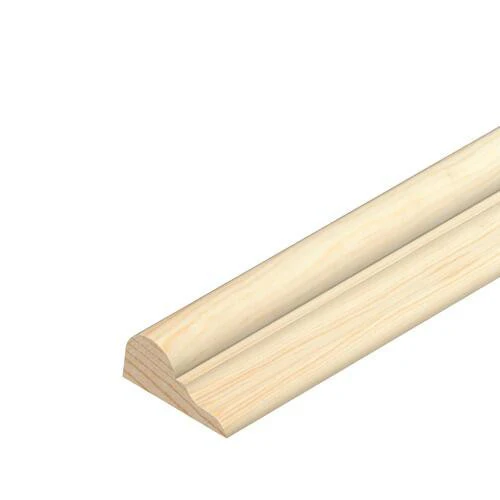
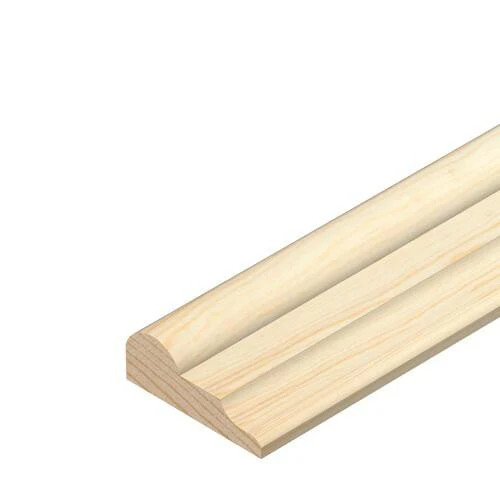
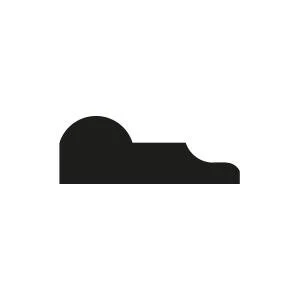
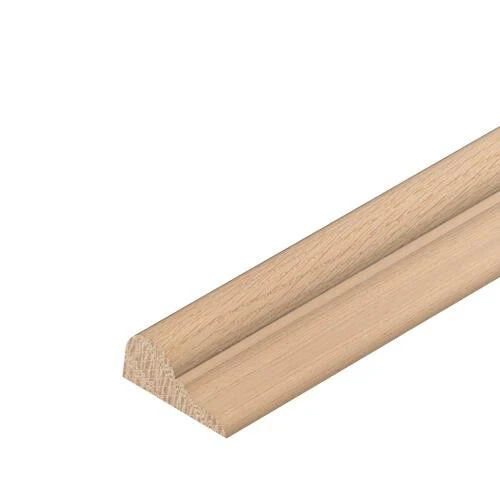
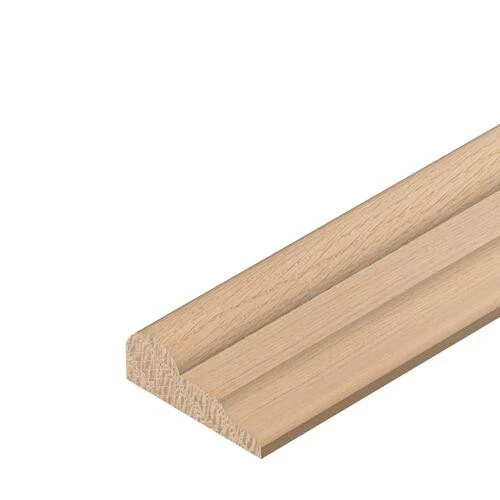
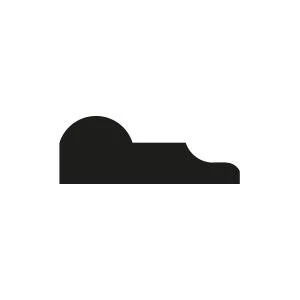
Oak broken ogee decorative moulding in a 21mm x 8mm x 2400mm length offers a classic hardwood trim profile suited to furniture, cabinetry and joinery finishing work. The traditional ogee curve adds a neat, defined edge detail that suits both period and contemporary interiors across the UK.
Specifications
| Property | Detail |
|---|---|
| Material | Oak (hardwood) |
| Profile | Broken ogee |
| Nominal Size | 21mm x 8mm |
| Length | 2400mm |
| Finish | Unfinished (ready for staining, oiling or varnishing) |
What it's used for
- Edging and finishing solid oak or oak-veneered furniture, including tables, cabinets and bookcases
- Trimming worktops and shelving where a traditional moulded edge detail is required
- Complementing oak skirting boards and architraves to give a consistent profile throughout a room
- Adding a decorative detail to coving joints, panel work or picture rail installations
Fitting and handling
Allow the moulding to acclimatise in the room where it will be fitted for at least 48 hours before fixing, particularly in heated interiors, to reduce the risk of movement after installation. Cut to length using a fine-toothed saw or mitre saw, then secure with wood adhesive, panel pins or both for a reliable bond on most substrates. If you plan to finish with oil, stain or varnish, apply after fitting and ensure the surface is clean, dry and lightly sanded to achieve an even result.
FAQ
What is a broken ogee moulding used for?
A broken ogee moulding is used to apply a traditional decorative edge or trim to furniture, cabinetry, shelving and joinery. The profile features a gentle S-shaped curve that suits both classic and contemporary settings, giving a clean finished appearance to raw edges and joints.
Can I paint or stain this oak moulding?
Yes. This moulding is supplied unfinished, so it accepts oil, hardwax oil, stain or varnish. Oak has an open grain, so a grain filler or sanding sealer is worth applying first if you want a very smooth painted finish. For a natural look, a clear hardwax oil or Danish oil works well and enhances the grain.
How many lengths do I need for a typical room?
That depends on the application. For edging shelving or worktops, measure the total linear run and divide by 2.4 to get the number of 2400mm lengths required, adding around 10 percent for cutting waste. If you are using it alongside skirting or as a panel trim, measure each wall run individually and allow extra for mitre cuts at corners.
Browse the full range of oak trim and edge profiles in our oak mouldings collection at Nottage Timber Merchants. We supply trade and retail customers across Bridgend and South Wales, with next-day delivery available to many local postcodes. Contact us for quantity pricing or profile advice.
Details & Craftsmanship
Every detail has been carefully considered to bring you the perfect product.
Details & Craftsmanship
Every detail has been carefully considered to bring you the perfect product.
Description
Oak broken ogee decorative moulding in a 21mm x 8mm x 2400mm length offers a classic hardwood trim profile suited to furniture, cabinetry and joinery finishing work. The traditional ogee curve adds a neat, defined edge detail that suits both period and contemporary interiors across the UK.
Specifications
| Property | Detail |
|---|---|
| Material | Oak (hardwood) |
| Profile | Broken ogee |
| Nominal Size | 21mm x 8mm |
| Length | 2400mm |
| Finish | Unfinished (ready for staining, oiling or varnishing) |
What it's used for
- Edging and finishing solid oak or oak-veneered furniture, including tables, cabinets and bookcases
- Trimming worktops and shelving where a traditional moulded edge detail is required
- Complementing oak skirting boards and architraves to give a consistent profile throughout a room
- Adding a decorative detail to coving joints, panel work or picture rail installations
Fitting and handling
Allow the moulding to acclimatise in the room where it will be fitted for at least 48 hours before fixing, particularly in heated interiors, to reduce the risk of movement after installation. Cut to length using a fine-toothed saw or mitre saw, then secure with wood adhesive, panel pins or both for a reliable bond on most substrates. If you plan to finish with oil, stain or varnish, apply after fitting and ensure the surface is clean, dry and lightly sanded to achieve an even result.
FAQ
What is a broken ogee moulding used for?
A broken ogee moulding is used to apply a traditional decorative edge or trim to furniture, cabinetry, shelving and joinery. The profile features a gentle S-shaped curve that suits both classic and contemporary settings, giving a clean finished appearance to raw edges and joints.
Can I paint or stain this oak moulding?
Yes. This moulding is supplied unfinished, so it accepts oil, hardwax oil, stain or varnish. Oak has an open grain, so a grain filler or sanding sealer is worth applying first if you want a very smooth painted finish. For a natural look, a clear hardwax oil or Danish oil works well and enhances the grain.
How many lengths do I need for a typical room?
That depends on the application. For edging shelving or worktops, measure the total linear run and divide by 2.4 to get the number of 2400mm lengths required, adding around 10 percent for cutting waste. If you are using it alongside skirting or as a panel trim, measure each wall run individually and allow extra for mitre cuts at corners.
Browse the full range of oak trim and edge profiles in our oak mouldings collection at Nottage Timber Merchants. We supply trade and retail customers across Bridgend and South Wales, with next-day delivery available to many local postcodes. Contact us for quantity pricing or profile advice.