The Story
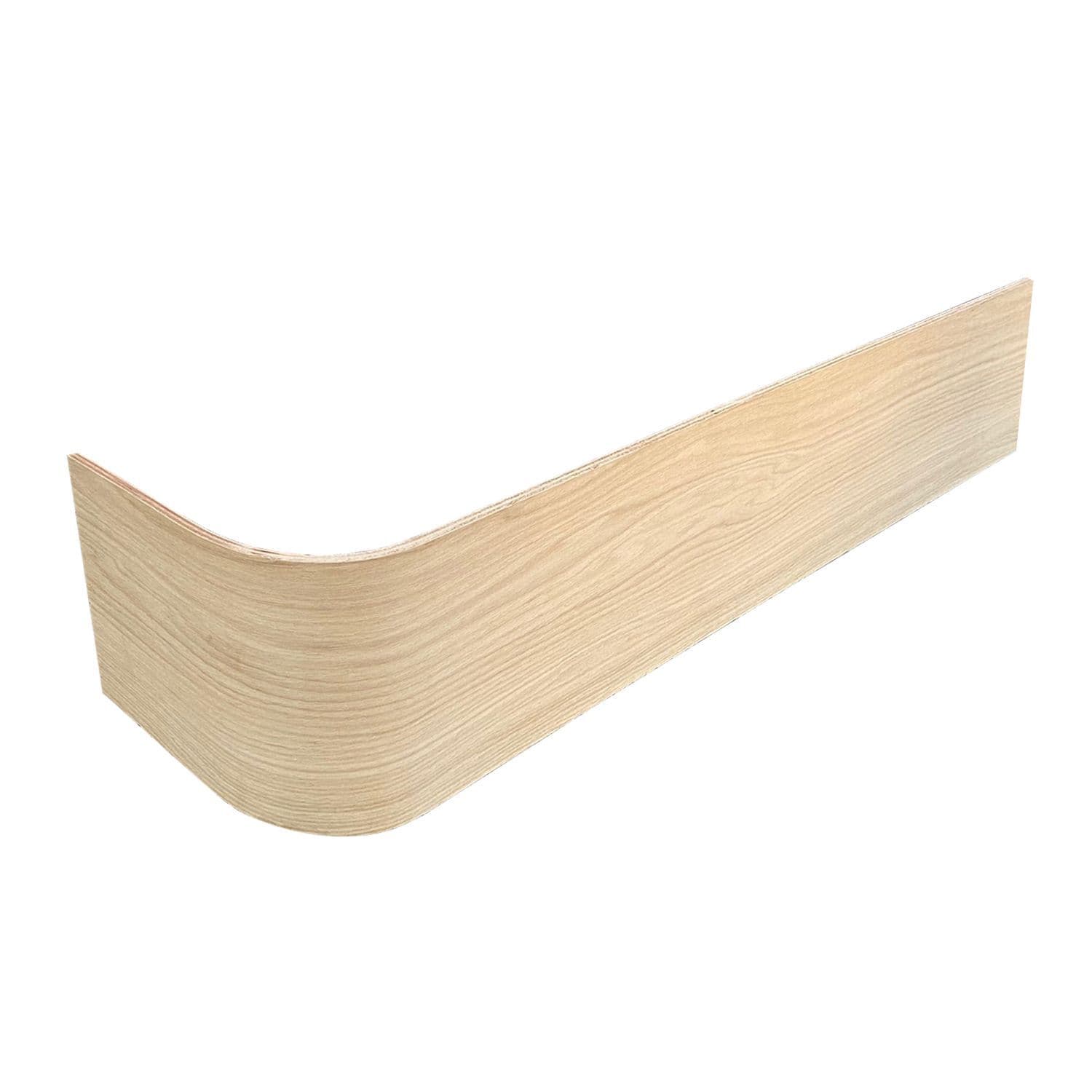
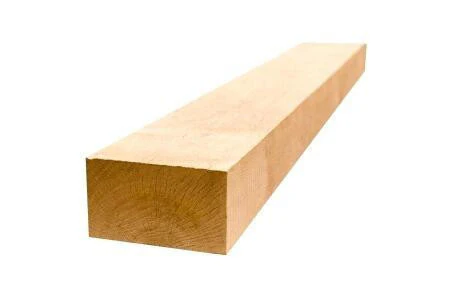
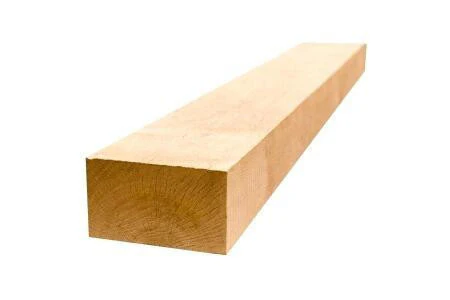
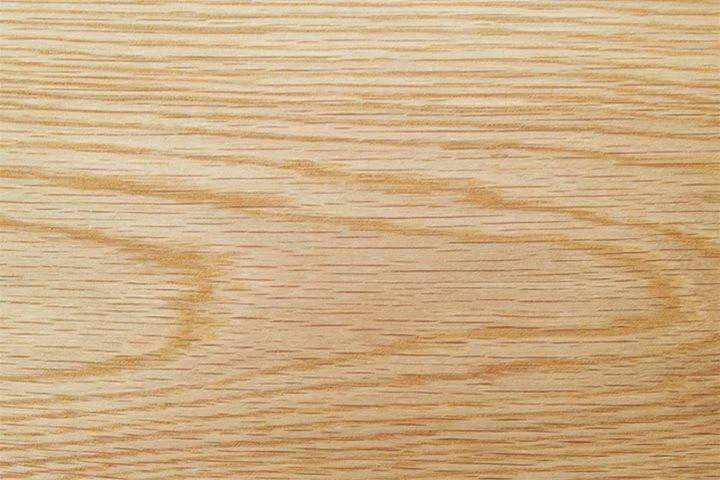
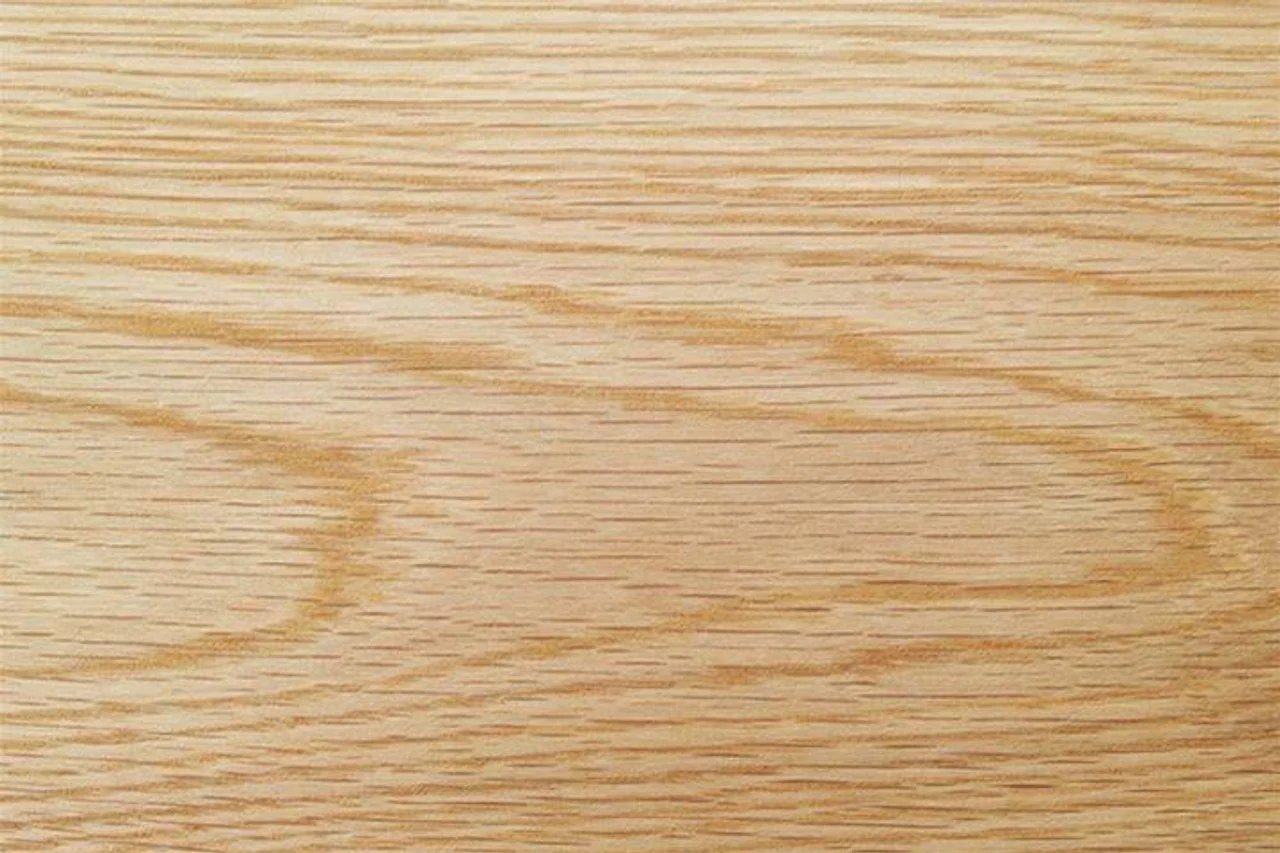
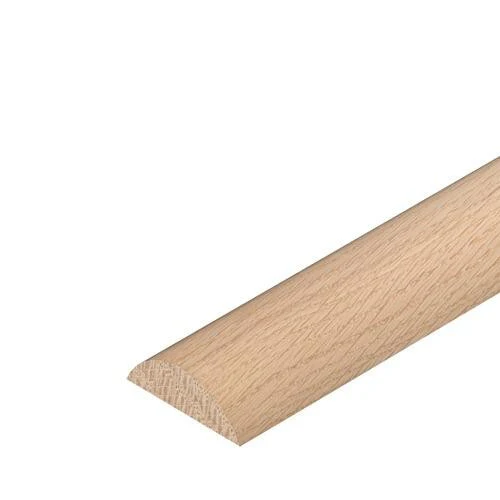
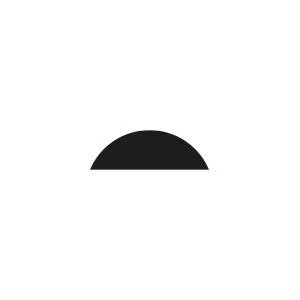
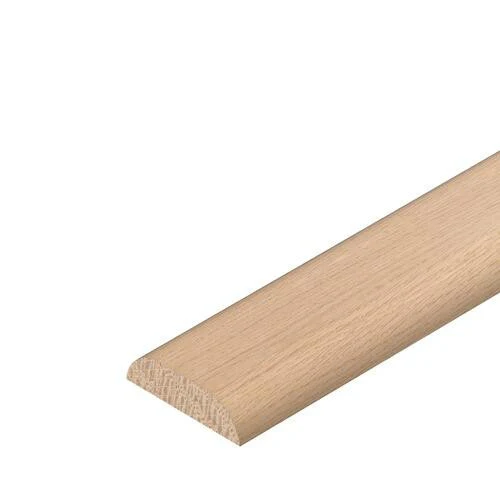
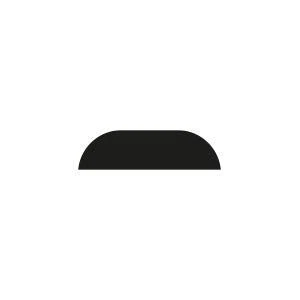
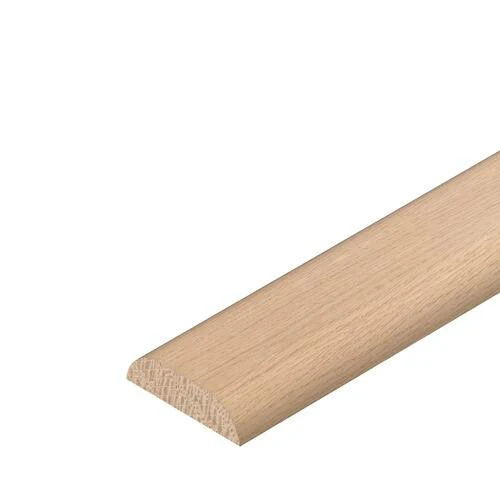
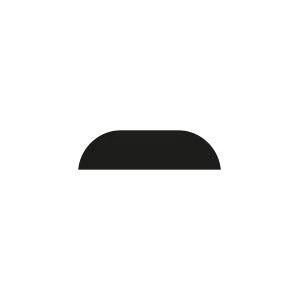
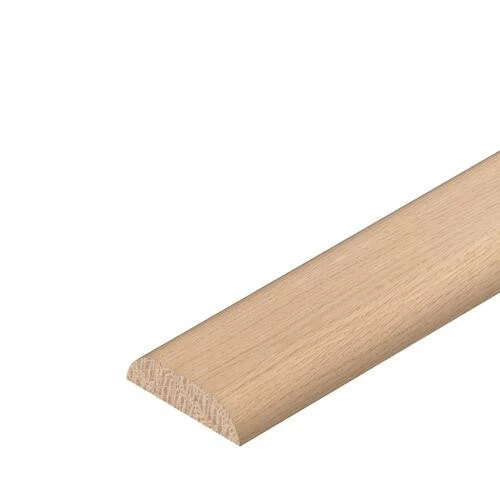
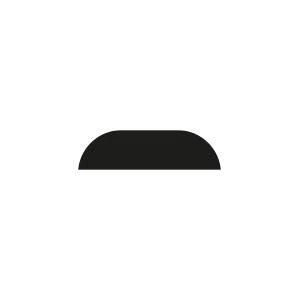
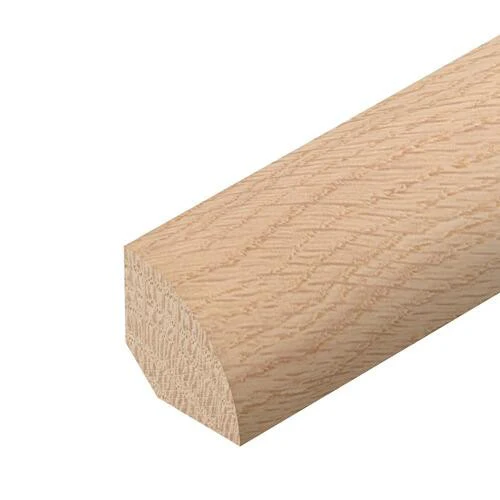
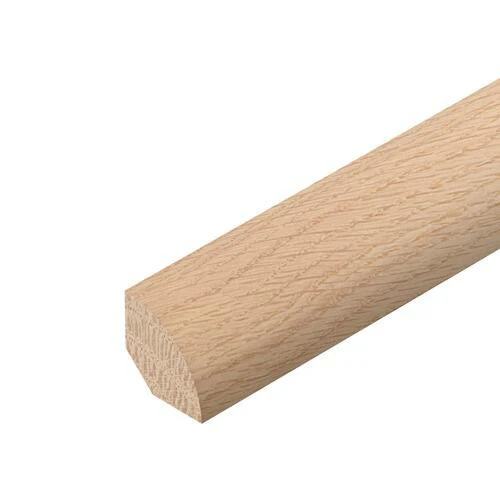
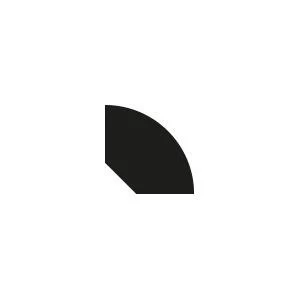
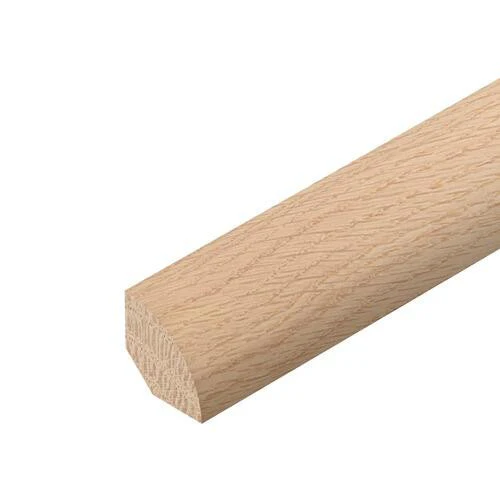
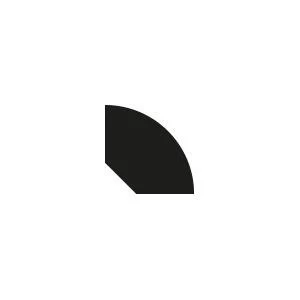
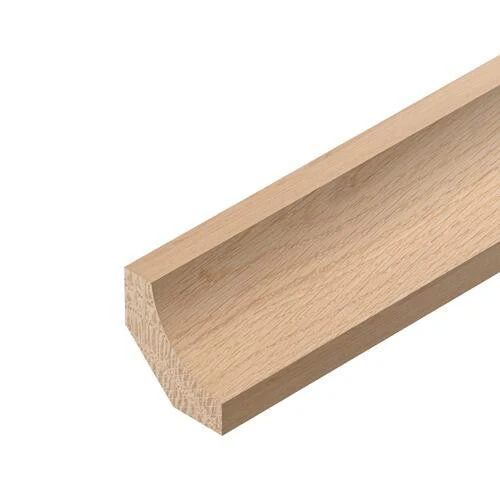
Oak scotia moulding 21mm x 21mm x 2400mm is a concave-profiled hardwood trim used to cover internal corner joins between skirting boards, wooden flooring, and walls. Cut from solid oak, it delivers a clean, consistent finish on flooring and joinery installations.
Specifications
| Property | Detail |
|---|---|
| Material | Solid oak hardwood |
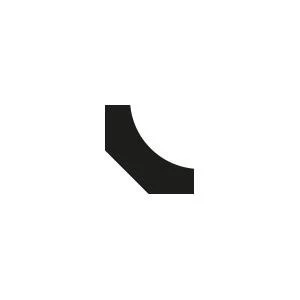
| Profile | Scotia (concave quarter-round) |
| Nominal Size | 21mm x 21mm |
| Length | 2400mm |
| Finish | Unfinished (ready to sand, stain, or lacquer) |
| Fixing | Pin nails, screws, or adhesive |
What it's used for
- Concealing expansion gaps between hardwood or engineered oak flooring and skirting boards
- Finishing internal wall and floor corners in kitchens, hallways, and living rooms
- Covering joins where timber cladding meets an adjacent surface at an internal angle
- Providing a tidy border detail in fitted furniture and joinery carpentry
Fitting and handling
Before fixing, allow the oak to acclimatise in the installation room for at least 48 hours to reduce the risk of movement after fitting. Pin nails are the most common fixing method; adhesive alone can be used where pinning is not practical, provided the substrate is clean and dry. Leave the piece unfinished until fixed in place, then apply your chosen stain, oil, or lacquer to match the surrounding floor or joinery.
FAQ
What is the difference between scotia and quadrant moulding?
A quadrant has a convex, quarter-circle profile and sits proud of both surfaces it meets. Scotia has a concave curve, which gives a slightly recessed appearance and tends to look less obtrusive where the flooring meets a skirting board.
Can I use 21mm x 21mm oak scotia to cover laminate flooring expansion gaps?
Yes. The 21mm width is sufficient to cover a standard 10-12mm expansion gap left around the perimeter of most laminate or engineered wood floors. Fix the scotia to the skirting board only, not the floor, so the floor can still move freely beneath it.
Does oak scotia moulding need treating before use?
It is supplied unfinished, so you can choose your own finish to match existing woodwork. A clear hardwax oil or water-based lacquer is suitable for most interior applications. Sanding lightly with 120-grit before finishing will give the best result.
Browse the full range of hardwood and softwood trims in the oak mouldings collection at Nottage Timber Merchants. We supply trade and retail customers across Bridgend and South Wales, with next-day delivery available to many local postcodes.
Details & Craftsmanship
Every detail has been carefully considered to bring you the perfect product.
Description
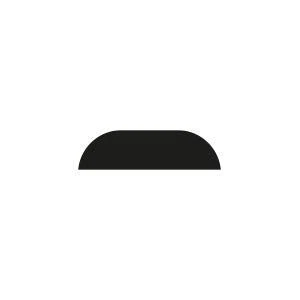
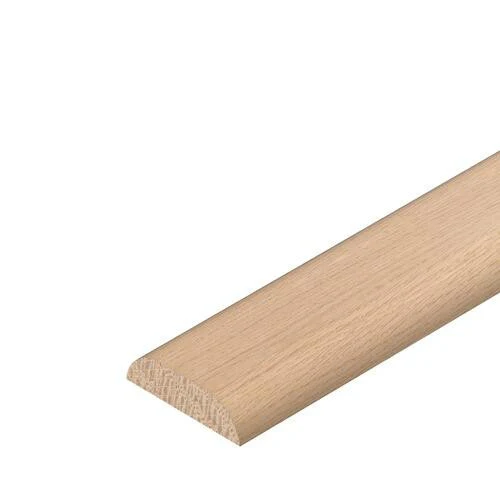
Oak scotia moulding 21mm x 21mm x 2400mm is a concave-profiled hardwood trim used to cover internal corner joins between skirting boards, wooden flooring, and walls. Cut from solid oak, it delivers a clean, consistent finish on flooring and joinery installations.
Specifications
| Property | Detail |
|---|---|
| Material | Solid oak hardwood |
| Profile | Scotia (concave quarter-round) |
| Nominal Size | 21mm x 21mm |
| Length | 2400mm |
| Finish | Unfinished (ready to sand, stain, or lacquer) |
| Fixing | Pin nails, screws, or adhesive |
What it's used for
- Concealing expansion gaps between hardwood or engineered oak flooring and skirting boards
- Finishing internal wall and floor corners in kitchens, hallways, and living rooms
- Covering joins where timber cladding meets an adjacent surface at an internal angle
- Providing a tidy border detail in fitted furniture and joinery carpentry
Fitting and handling
Before fixing, allow the oak to acclimatise in the installation room for at least 48 hours to reduce the risk of movement after fitting. Pin nails are the most common fixing method; adhesive alone can be used where pinning is not practical, provided the substrate is clean and dry. Leave the piece unfinished until fixed in place, then apply your chosen stain, oil, or lacquer to match the surrounding floor or joinery.
FAQ
What is the difference between scotia and quadrant moulding?
A quadrant has a convex, quarter-circle profile and sits proud of both surfaces it meets. Scotia has a concave curve, which gives a slightly recessed appearance and tends to look less obtrusive where the flooring meets a skirting board.
Can I use 21mm x 21mm oak scotia to cover laminate flooring expansion gaps?
Yes. The 21mm width is sufficient to cover a standard 10-12mm expansion gap left around the perimeter of most laminate or engineered wood floors. Fix the scotia to the skirting board only, not the floor, so the floor can still move freely beneath it.
Does oak scotia moulding need treating before use?
It is supplied unfinished, so you can choose your own finish to match existing woodwork. A clear hardwax oil or water-based lacquer is suitable for most interior applications. Sanding lightly with 120-grit before finishing will give the best result.
Browse the full range of hardwood and softwood trims in the oak mouldings collection at Nottage Timber Merchants. We supply trade and retail customers across Bridgend and South Wales, with next-day delivery available to many local postcodes.