Original: $6.18
-65%$6.18
$2.16The Story
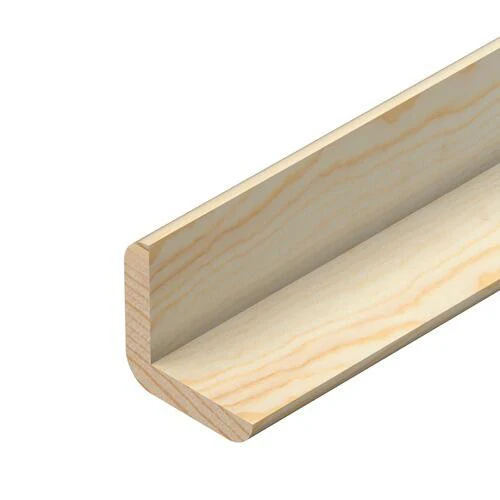
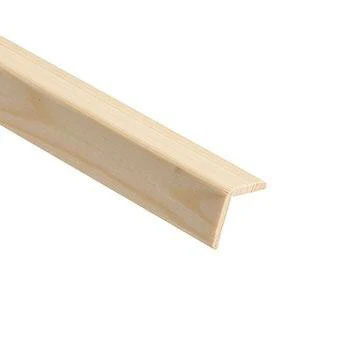
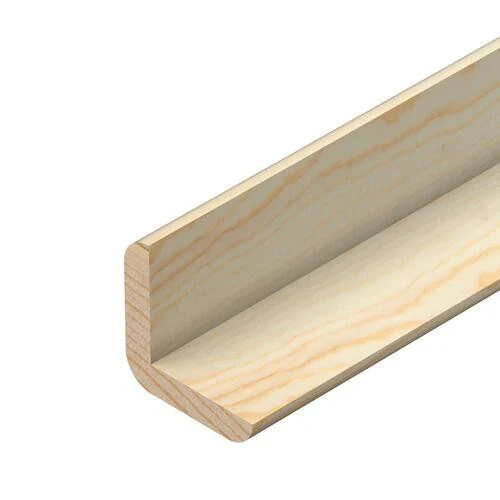
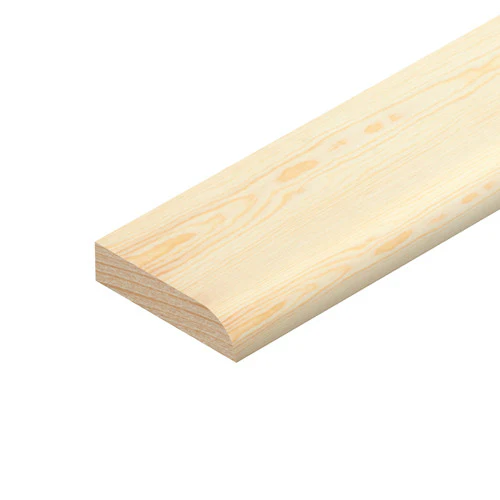
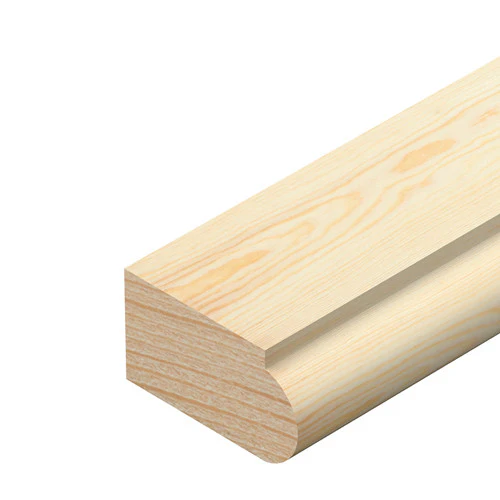
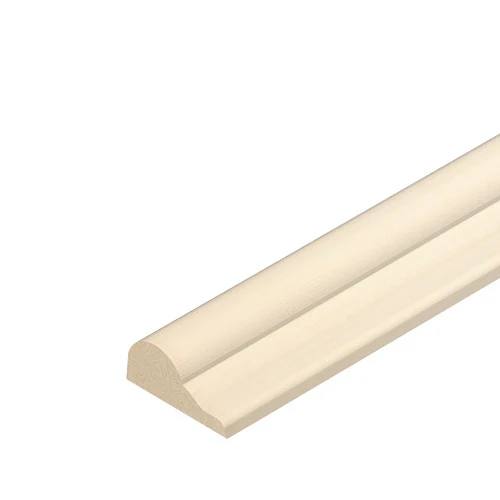
Pine cover mould in an 8mm x 45mm profile is a versatile internal trim strip used to conceal gaps, rough edges, and joints across a wide range of joinery and finishing tasks. Supplied in 2400mm lengths, this lightweight softwood moulding is straightforward to cut, fix, and finish.
Specifications
| Property | Detail |
|---|---|
| Material | Pine (softwood) |
| Nominal Size | 8mm x 45mm |
| Length | 2400mm |
| Profile | Cover mould |
| Finish | Unfinished (ready to sand, stain, varnish, or paint) |
| Use Class | Internal use only |
What it's used for
- Covering the expansion gap between laminate or solid wood flooring and skirting boards
- Concealing joints between wall panels, cladding boards, or sheet materials such as MDF and plywood
- Finishing the edges of worktops, shelving, and fitted furniture where a neat trim is needed
- Hiding gaps at ceiling and wall junctions where a smaller profile than a standard cornice is preferred
Fitting and handling
Before fixing, allow the moulding to acclimatise in the room where it will be installed for at least 24 hours, particularly in rooms with underfloor heating or variable humidity. Fix with panel pins or a suitable wood adhesive, mitring corners at 45 degrees for a clean finish. Once in place, lightly sand the surface and apply your choice of paint, varnish, or wood stain to suit the surrounding joinery.
FAQ
What is the difference between cover mould and quadrant beading?
Cover mould has a flat, angled profile that sits flush against two surfaces, making it suited to covering panel joints and flat edges. Quadrant beading has a quarter-circle profile and is more commonly used to cover flooring expansion gaps at the base of skirting boards. Both serve a similar concealment purpose but suit different applications.
Can I paint pine cover mould to match my skirting boards?
Yes. Pine takes paint well once the surface has been lightly sanded and a suitable primer applied. Use a wood primer followed by the same finish coat as your skirting boards for a consistent result. Knotty areas may benefit from a knotting solution before priming.
How many lengths do I need for a standard room?
Measure the total linear run you need to cover, add around 10 percent for waste from mitre cuts, then divide by 2.4 to work out the number of 2400mm lengths required. For a typical flooring perimeter of 12 metres, five or six lengths should be sufficient.
Browse the full range of internal timber trims and architraves at Nottage Timber Merchants via our pine mouldings collection. We supply trade and retail customers from our Bridgend yard in South Wales, with competitive pricing and next-day delivery available across the local area.
Description
Pine cover mould in an 8mm x 45mm profile is a versatile internal trim strip used to conceal gaps, rough edges, and joints across a wide range of joinery and finishing tasks. Supplied in 2400mm lengths, this lightweight softwood moulding is straightforward to cut, fix, and finish.
Specifications
| Property | Detail |
|---|---|
| Material | Pine (softwood) |
| Nominal Size | 8mm x 45mm |
| Length | 2400mm |
| Profile | Cover mould |
| Finish | Unfinished (ready to sand, stain, varnish, or paint) |
| Use Class | Internal use only |
What it's used for
- Covering the expansion gap between laminate or solid wood flooring and skirting boards
- Concealing joints between wall panels, cladding boards, or sheet materials such as MDF and plywood
- Finishing the edges of worktops, shelving, and fitted furniture where a neat trim is needed
- Hiding gaps at ceiling and wall junctions where a smaller profile than a standard cornice is preferred
Fitting and handling
Before fixing, allow the moulding to acclimatise in the room where it will be installed for at least 24 hours, particularly in rooms with underfloor heating or variable humidity. Fix with panel pins or a suitable wood adhesive, mitring corners at 45 degrees for a clean finish. Once in place, lightly sand the surface and apply your choice of paint, varnish, or wood stain to suit the surrounding joinery.
FAQ
What is the difference between cover mould and quadrant beading?
Cover mould has a flat, angled profile that sits flush against two surfaces, making it suited to covering panel joints and flat edges. Quadrant beading has a quarter-circle profile and is more commonly used to cover flooring expansion gaps at the base of skirting boards. Both serve a similar concealment purpose but suit different applications.
Can I paint pine cover mould to match my skirting boards?
Yes. Pine takes paint well once the surface has been lightly sanded and a suitable primer applied. Use a wood primer followed by the same finish coat as your skirting boards for a consistent result. Knotty areas may benefit from a knotting solution before priming.
How many lengths do I need for a standard room?
Measure the total linear run you need to cover, add around 10 percent for waste from mitre cuts, then divide by 2.4 to work out the number of 2400mm lengths required. For a typical flooring perimeter of 12 metres, five or six lengths should be sufficient.
Browse the full range of internal timber trims and architraves at Nottage Timber Merchants via our pine mouldings collection. We supply trade and retail customers from our Bridgend yard in South Wales, with competitive pricing and next-day delivery available across the local area.