The Story
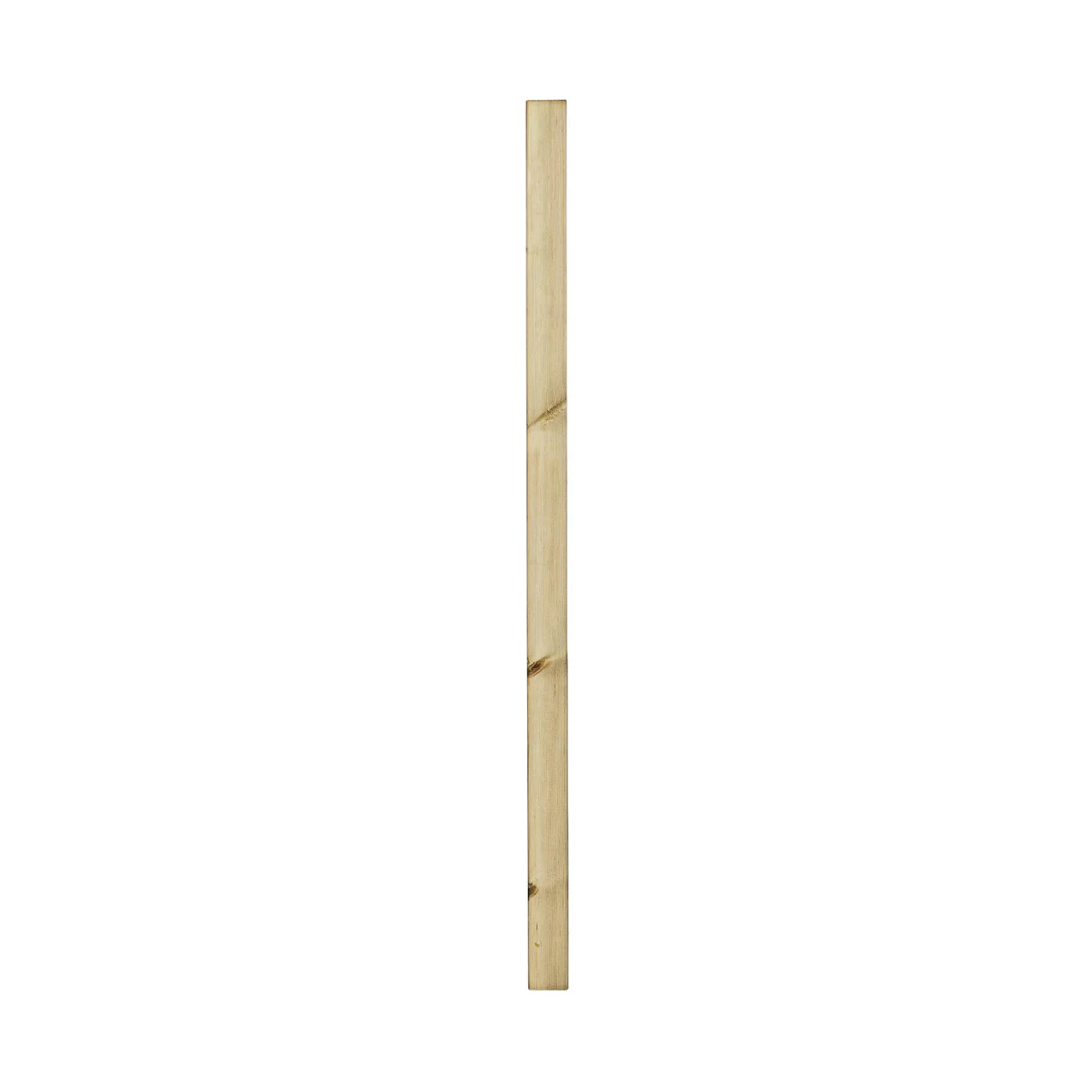
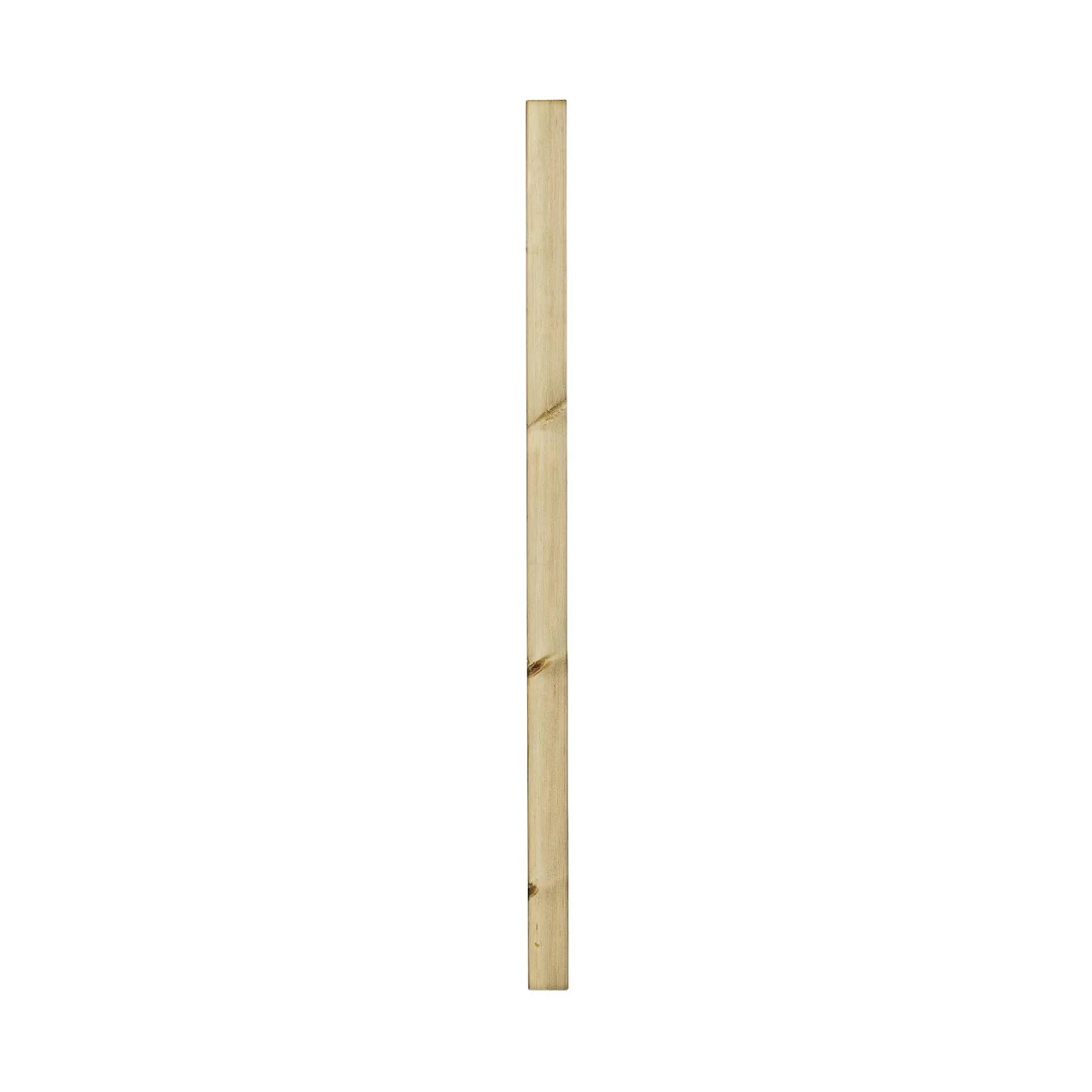
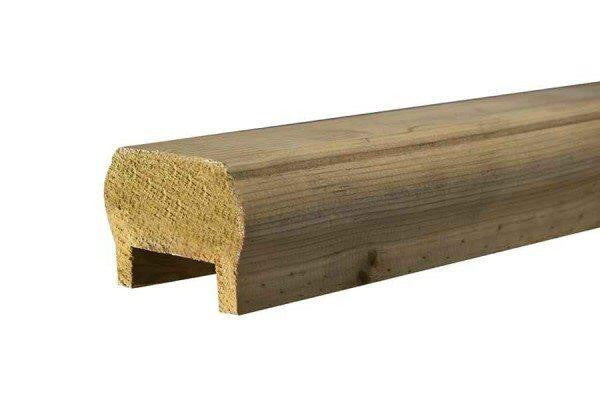
Treated decking utility rail in 38mm x 69mm section and 3.6 metre lengths is designed for use as a top or bottom rail in timber balustrade systems, fixed between newel posts to carry spindles and balusters on raised decks, steps, and balconies.
Specifications
| Material | Softwood timber |
| Treatment | Pressure treated (preservative treated) |
| Nominal Size | 38mm x 69mm |
| Length | 3.6 metres |
| Profile | Utility rail (flat/rectangular section) |
| Finish | Sawn |
| Use Class | UC3 (above ground, exposed outdoor use) |
What it's used for
- Top rail or base rail in decking balustrade panels fitted between newel posts
- Handrail support framing on raised garden decks, steps, and platforms
- Bottom rail for enclosing spindles and balusters on balconies and verandas
- Structural framing rail wherever a treated 38 x 69mm section is needed in outdoor joinery
Fitting and handling
Allow the rails to acclimatise for 24 to 48 hours on site before cutting and fixing, particularly in warm or dry conditions. Fix securely to newel posts using galvanised or stainless-steel fixings to avoid corrosive reaction with the preservative treatment. When housing spindles between top and bottom rails, pair with decking fillets to allow for natural timber movement and reduce the risk of splitting over time. If painting, staining, or oiling, apply a suitable exterior finish to all cut ends promptly to maintain the protection provided by the pressure treatment.
FAQ
What is the difference between a utility rail and a standard handrail?
A utility rail is a plain rectangular section used as the structural top or bottom member in a balustrade frame. A shaped handrail typically has a moulded or rounded profile designed to be gripped by hand. Utility rails are used in pairs to hold spindles, with the shaped handrail sometimes fitted on top.
Do I need to treat the cut ends of pressure treated decking rail?
Yes. Cutting exposes untreated timber below the surface. Apply an end-grain preservative or exterior wood treatment to all cut ends before fixing to maintain protection against moisture and decay.
What length spindle spacing should I use with 38mm x 69mm balustrade rail?
UK building regulations require that gaps between balusters do not allow a 100mm sphere to pass through. For most domestic decking and stair balustrades, spindles are spaced at roughly 100mm centres, but always check the current Building Regulations Approved Document K before finalising your layout.
Browse the full range of treated decking timber at Nottage Timber Merchants, including deck boards, newel posts, and balustrade components. We supply trade and DIY customers direct from our yard in Bridgend, South Wales, with competitive pricing and local delivery available.

Details & Craftsmanship
Every detail has been carefully considered to bring you the perfect product.
Description
Treated decking utility rail in 38mm x 69mm section and 3.6 metre lengths is designed for use as a top or bottom rail in timber balustrade systems, fixed between newel posts to carry spindles and balusters on raised decks, steps, and balconies.
Specifications
| Material | Softwood timber |
| Treatment | Pressure treated (preservative treated) |
| Nominal Size | 38mm x 69mm |
| Length | 3.6 metres |
| Profile | Utility rail (flat/rectangular section) |
| Finish | Sawn |
| Use Class | UC3 (above ground, exposed outdoor use) |
What it's used for
- Top rail or base rail in decking balustrade panels fitted between newel posts
- Handrail support framing on raised garden decks, steps, and platforms
- Bottom rail for enclosing spindles and balusters on balconies and verandas
- Structural framing rail wherever a treated 38 x 69mm section is needed in outdoor joinery
Fitting and handling
Allow the rails to acclimatise for 24 to 48 hours on site before cutting and fixing, particularly in warm or dry conditions. Fix securely to newel posts using galvanised or stainless-steel fixings to avoid corrosive reaction with the preservative treatment. When housing spindles between top and bottom rails, pair with decking fillets to allow for natural timber movement and reduce the risk of splitting over time. If painting, staining, or oiling, apply a suitable exterior finish to all cut ends promptly to maintain the protection provided by the pressure treatment.
FAQ
What is the difference between a utility rail and a standard handrail?
A utility rail is a plain rectangular section used as the structural top or bottom member in a balustrade frame. A shaped handrail typically has a moulded or rounded profile designed to be gripped by hand. Utility rails are used in pairs to hold spindles, with the shaped handrail sometimes fitted on top.
Do I need to treat the cut ends of pressure treated decking rail?
Yes. Cutting exposes untreated timber below the surface. Apply an end-grain preservative or exterior wood treatment to all cut ends before fixing to maintain protection against moisture and decay.
What length spindle spacing should I use with 38mm x 69mm balustrade rail?
UK building regulations require that gaps between balusters do not allow a 100mm sphere to pass through. For most domestic decking and stair balustrades, spindles are spaced at roughly 100mm centres, but always check the current Building Regulations Approved Document K before finalising your layout.
Browse the full range of treated decking timber at Nottage Timber Merchants, including deck boards, newel posts, and balustrade components. We supply trade and DIY customers direct from our yard in Bridgend, South Wales, with competitive pricing and local delivery available.