The Story
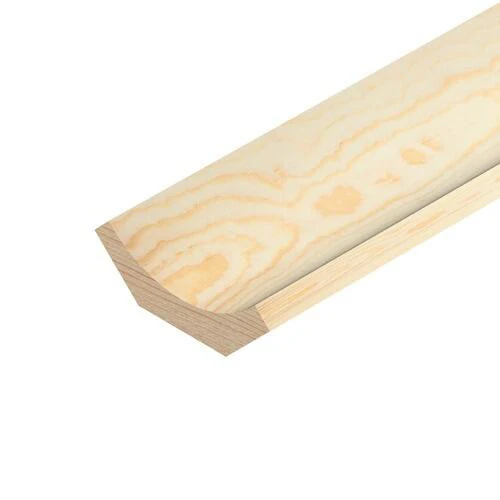
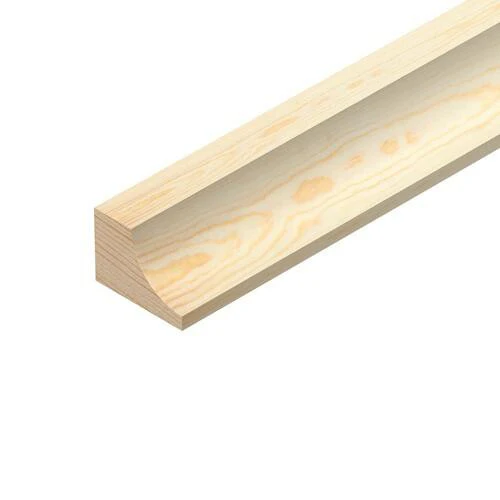
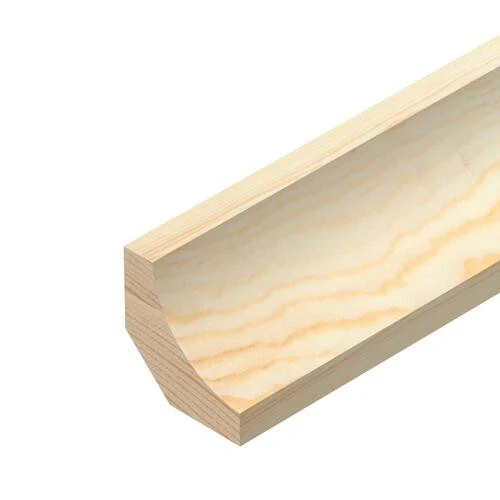
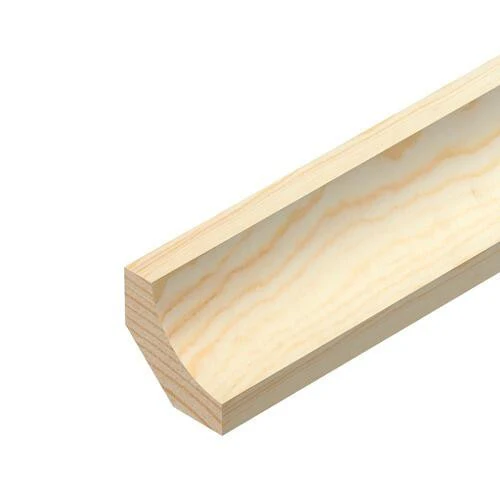
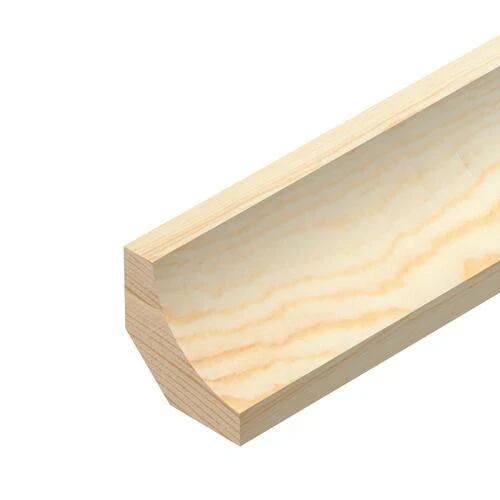
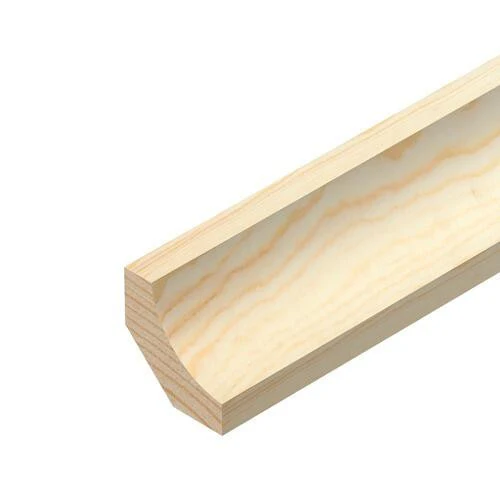
Pine scotia moulding 15mm x 15mm x 2400mm is a concave softwood trim used to neaten internal corner joins between floors and walls or skirting boards. Lightweight, easy to cut and simple to pin in place, it is a go-to choice for flooring finishing and general interior joinery.
Specifications
| Property | Detail |
|---|---|
| Material | Pine (softwood) |
| Finish | Planed smooth, ready to paint or stain |
| Nominal Size | 15mm x 15mm |
| Length | 2400mm |
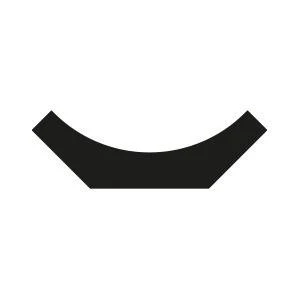
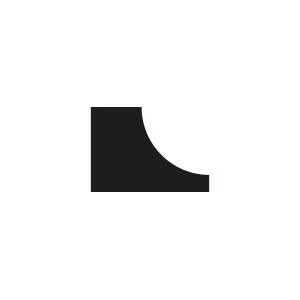
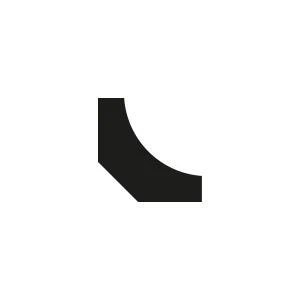
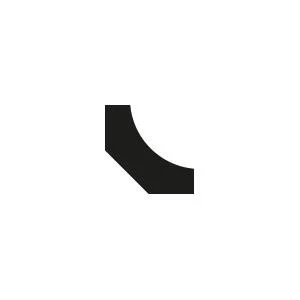
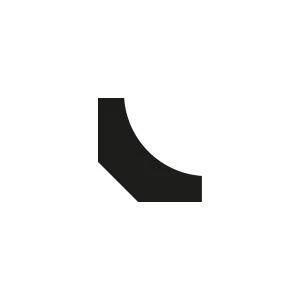
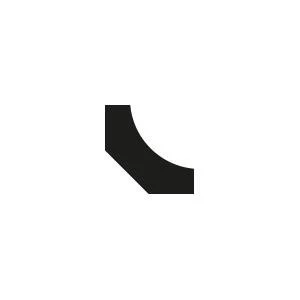
| Profile | Scotia (concave quadrant) |
| Use Class | Internal use only |
What it's used for
- Covering the expansion gap between timber or laminate flooring and skirting boards
- Finishing internal corners where skirting boards meet at right angles
- Concealing small gaps at wall-to-floor junctions in kitchens, hallways and living rooms
- General interior trim work and joinery finishing on site or in the workshop
Fitting and handling
Before fixing, store the moulding flat in the room where it will be installed for at least 24 to 48 hours so it can acclimatise to the ambient temperature and humidity, reducing the risk of movement after fitting. Fix using 20mm or 25mm lost-head pins or a bead of wood adhesive, ensuring the concave face sits flush against both surfaces at the corner. Once fitted, fill any pin holes with a wood filler suitable for painting, sand lightly with a fine-grit paper, and finish with your chosen primer, paint or varnish for a clean, sealed result.
FAQ
What is the difference between scotia moulding and quadrant moulding?
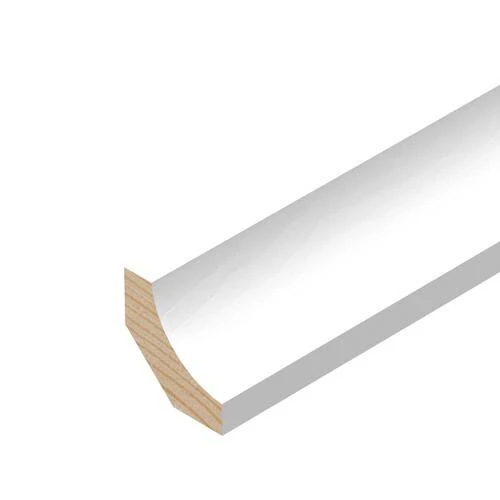
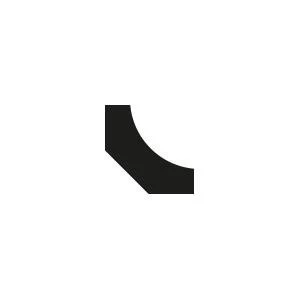
Both cover internal corner joins, but they have different profiles. Quadrant moulding has a convex, quarter-circle shape, while scotia moulding has a concave, stepped profile that sits slightly recessed at the centre. Scotia tends to look more traditional and is commonly used with solid wood floors and period-style interiors.
Can I use 15mm x 15mm pine scotia with underfloor heating?
Yes, but acclimatisation is particularly important with underfloor heating. Allow the moulding to sit in the heated room for at least 48 hours before fixing. Avoid pinning the scotia directly into the floor itself so that the floor beneath can still expand and contract freely.
Does pine scotia moulding need to be primed before painting?
Pine benefits from a coat of knotting solution over any visible knots, followed by a suitable wood primer before applying a finish coat. This prevents resin bleed and gives a more even, durable painted surface. If you prefer a natural wood look, a clear hardwax oil or varnish can be applied direct after light sanding.
Nottage Timber Merchants stock a full range of softwood profiles alongside complementary trims. Browse the complete pine mouldings collection for matching architraves, angles and cover moulds. Trade and retail customers are welcome to visit our Bridgend yard, and we offer next-day delivery across South Wales and the Bridgend area.
Details & Craftsmanship
Every detail has been carefully considered to bring you the perfect product.
Description
Pine scotia moulding 15mm x 15mm x 2400mm is a concave softwood trim used to neaten internal corner joins between floors and walls or skirting boards. Lightweight, easy to cut and simple to pin in place, it is a go-to choice for flooring finishing and general interior joinery.
Specifications
| Property | Detail |
|---|---|
| Material | Pine (softwood) |
| Finish | Planed smooth, ready to paint or stain |
| Nominal Size | 15mm x 15mm |
| Length | 2400mm |
| Profile | Scotia (concave quadrant) |
| Use Class | Internal use only |
What it's used for
- Covering the expansion gap between timber or laminate flooring and skirting boards
- Finishing internal corners where skirting boards meet at right angles
- Concealing small gaps at wall-to-floor junctions in kitchens, hallways and living rooms
- General interior trim work and joinery finishing on site or in the workshop
Fitting and handling
Before fixing, store the moulding flat in the room where it will be installed for at least 24 to 48 hours so it can acclimatise to the ambient temperature and humidity, reducing the risk of movement after fitting. Fix using 20mm or 25mm lost-head pins or a bead of wood adhesive, ensuring the concave face sits flush against both surfaces at the corner. Once fitted, fill any pin holes with a wood filler suitable for painting, sand lightly with a fine-grit paper, and finish with your chosen primer, paint or varnish for a clean, sealed result.
FAQ
What is the difference between scotia moulding and quadrant moulding?
Both cover internal corner joins, but they have different profiles. Quadrant moulding has a convex, quarter-circle shape, while scotia moulding has a concave, stepped profile that sits slightly recessed at the centre. Scotia tends to look more traditional and is commonly used with solid wood floors and period-style interiors.
Can I use 15mm x 15mm pine scotia with underfloor heating?
Yes, but acclimatisation is particularly important with underfloor heating. Allow the moulding to sit in the heated room for at least 48 hours before fixing. Avoid pinning the scotia directly into the floor itself so that the floor beneath can still expand and contract freely.
Does pine scotia moulding need to be primed before painting?
Pine benefits from a coat of knotting solution over any visible knots, followed by a suitable wood primer before applying a finish coat. This prevents resin bleed and gives a more even, durable painted surface. If you prefer a natural wood look, a clear hardwax oil or varnish can be applied direct after light sanding.
Nottage Timber Merchants stock a full range of softwood profiles alongside complementary trims. Browse the complete pine mouldings collection for matching architraves, angles and cover moulds. Trade and retail customers are welcome to visit our Bridgend yard, and we offer next-day delivery across South Wales and the Bridgend area.