Nottage Timber Merchants stock a full range of softwood and hardwood mouldings available for collection from Bridgend or with next-day delivery across South Wales. Browse the complete pine mouldings collection for matching architraves, skirting profiles, and cover beads.
","image":["https://img.shopnottagetimber.shop/images/product/pine-scotia-moulding-15mm-x-21mm-x-2400mm-1.jpg","https://img.shopnottagetimber.shop/images/product/pine-scotia-moulding-15mm-x-21mm-x-2400mm-2.jpg"],"sku":"pine-scotia-moulding-15mm-x-21mm-x-2400mm","brand":{"@type":"Brand","name":"Nottage Timber"},"offers":{"@type":"AggregateOffer","lowPrice":3.9,"highPrice":3.9,"priceCurrency":"USD","availability":"https://schema.org/InStock","url":"https://shopnottagetimber.shop/products/pine-scotia-moulding-15mm-x-21mm-x-2400mm","offerCount":1}}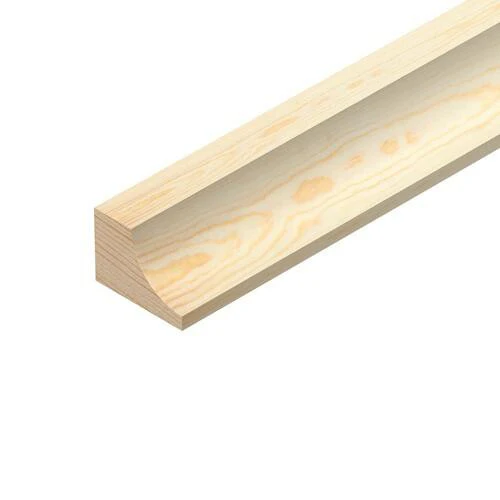
The Story
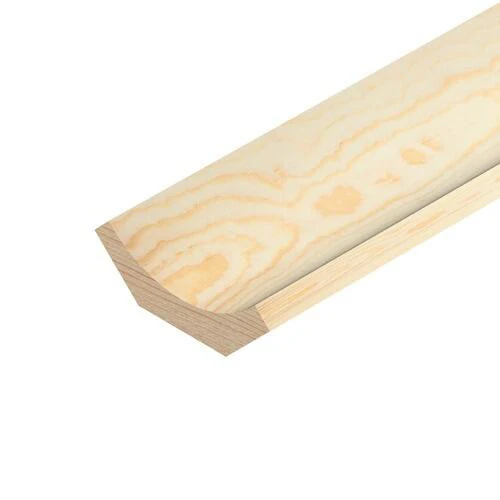
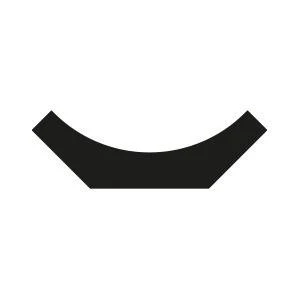
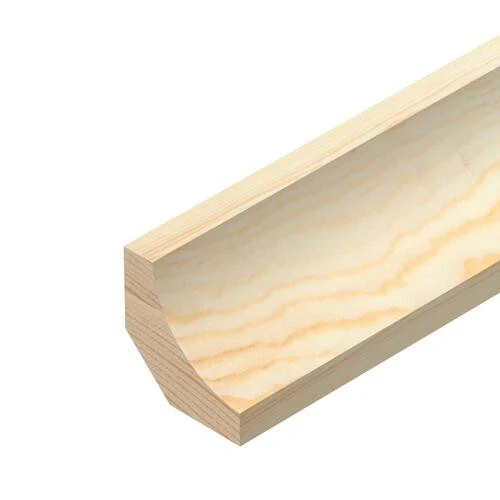
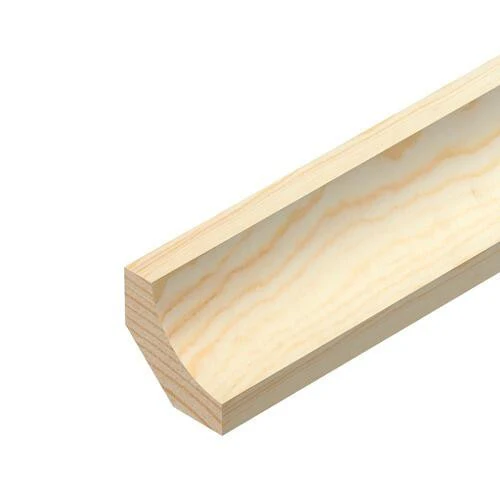
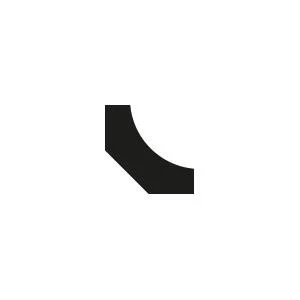
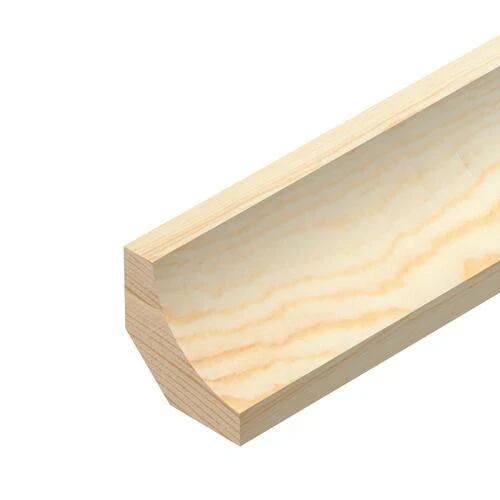
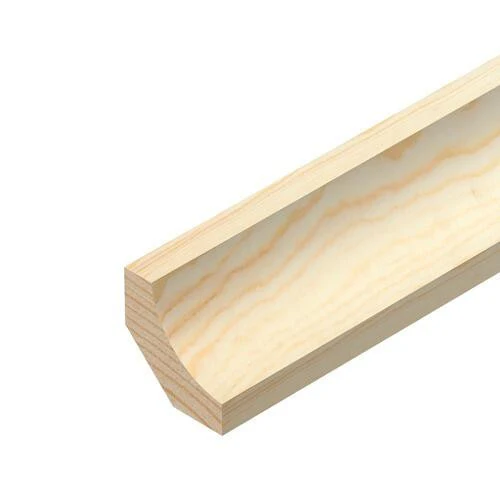
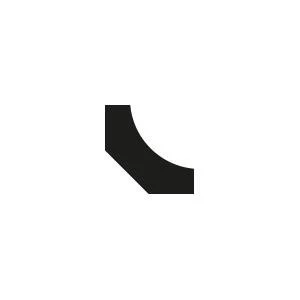
Pine scotia moulding 15mm x 21mm x 2400mm is the standard internal trim for concealing gaps and rough joins at floor-to-wall junctions. Its concave, quarter-round profile sits flush into corners, giving a neat finish alongside wooden flooring, skirting boards, and panelling.
Specifications
| Property | Detail |
|---|---|
| Material | Pine (softwood) |
| Nominal Size | 15mm x 21mm |
| Length | 2400mm |
| Profile | Scotia (concave quarter-round) |
| Finish | Unfinished, ready to paint, stain or varnish |
What it's used for
- Covering expansion gaps between wooden or laminate flooring and skirting boards
- Neatening internal wall-to-floor corners in kitchens, hallways, and living rooms
- Finishing the base of stud-wall panelling or tongue-and-groove cladding
- Providing a tidy junction between skirting boards and door architraves
Fitting and handling
Allow the moulding to acclimatise in the room for 24 to 48 hours before fitting, particularly where underfloor heating or fluctuating humidity is present. Fix with lost-head pins or a suitable grab adhesive, pressing firmly into the corner for full contact along the length. Sand lightly with 120-grit paper before applying your chosen finish, working with the grain for a clean, consistent result.
FAQ
What is the difference between a scotia moulding and a quadrant moulding?
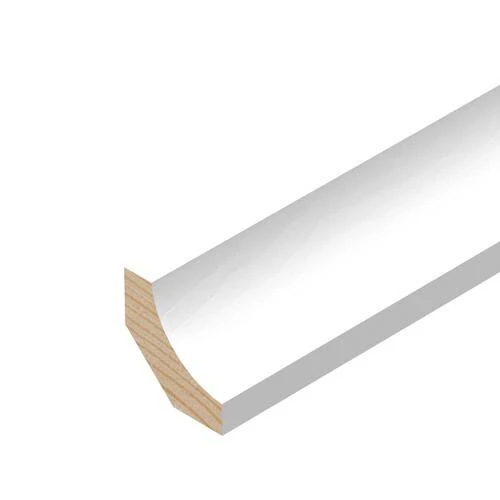
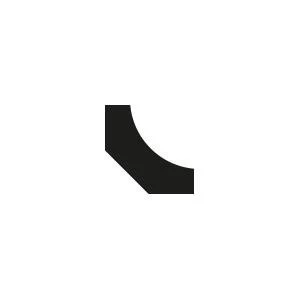
A quadrant (or quarter-round) has a convex, outward-curving profile, whereas a scotia has a concave, inward curve. Scotias tend to sit more discreetly in a corner and create a slightly softer shadow line, making them a popular choice where a subtle finish is preferred.
Can I paint this pine scotia moulding?
Yes. Pine takes paint, satinwood, stain, and varnish well. Lightly sand the surface first, apply a knotting solution to any visible resin knots, then prime before your topcoat. This gives a longer-lasting, more even finish, especially in higher-traffic areas.
How many lengths do I need for a standard room?
Measure the total perimeter of the floor area where the moulding will run, then divide by 2.4 to find the number of 2400mm lengths required. Add around 10 to 15 per cent for mitred corners and waste. For a typical 4m x 4m room with one doorway, seven to eight lengths is a reasonable starting point.
Nottage Timber Merchants stock a full range of softwood and hardwood mouldings available for collection from Bridgend or with next-day delivery across South Wales. Browse the complete pine mouldings collection for matching architraves, skirting profiles, and cover beads.

Details & Craftsmanship
Every detail has been carefully considered to bring you the perfect product.
Description
Pine scotia moulding 15mm x 21mm x 2400mm is the standard internal trim for concealing gaps and rough joins at floor-to-wall junctions. Its concave, quarter-round profile sits flush into corners, giving a neat finish alongside wooden flooring, skirting boards, and panelling.
Specifications
| Property | Detail |
|---|---|
| Material | Pine (softwood) |
| Nominal Size | 15mm x 21mm |
| Length | 2400mm |
| Profile | Scotia (concave quarter-round) |
| Finish | Unfinished, ready to paint, stain or varnish |
What it's used for
- Covering expansion gaps between wooden or laminate flooring and skirting boards
- Neatening internal wall-to-floor corners in kitchens, hallways, and living rooms
- Finishing the base of stud-wall panelling or tongue-and-groove cladding
- Providing a tidy junction between skirting boards and door architraves
Fitting and handling
Allow the moulding to acclimatise in the room for 24 to 48 hours before fitting, particularly where underfloor heating or fluctuating humidity is present. Fix with lost-head pins or a suitable grab adhesive, pressing firmly into the corner for full contact along the length. Sand lightly with 120-grit paper before applying your chosen finish, working with the grain for a clean, consistent result.
FAQ
What is the difference between a scotia moulding and a quadrant moulding?
A quadrant (or quarter-round) has a convex, outward-curving profile, whereas a scotia has a concave, inward curve. Scotias tend to sit more discreetly in a corner and create a slightly softer shadow line, making them a popular choice where a subtle finish is preferred.
Can I paint this pine scotia moulding?
Yes. Pine takes paint, satinwood, stain, and varnish well. Lightly sand the surface first, apply a knotting solution to any visible resin knots, then prime before your topcoat. This gives a longer-lasting, more even finish, especially in higher-traffic areas.
How many lengths do I need for a standard room?
Measure the total perimeter of the floor area where the moulding will run, then divide by 2.4 to find the number of 2400mm lengths required. Add around 10 to 15 per cent for mitred corners and waste. For a typical 4m x 4m room with one doorway, seven to eight lengths is a reasonable starting point.
Nottage Timber Merchants stock a full range of softwood and hardwood mouldings available for collection from Bridgend or with next-day delivery across South Wales. Browse the complete pine mouldings collection for matching architraves, skirting profiles, and cover beads.