The Story
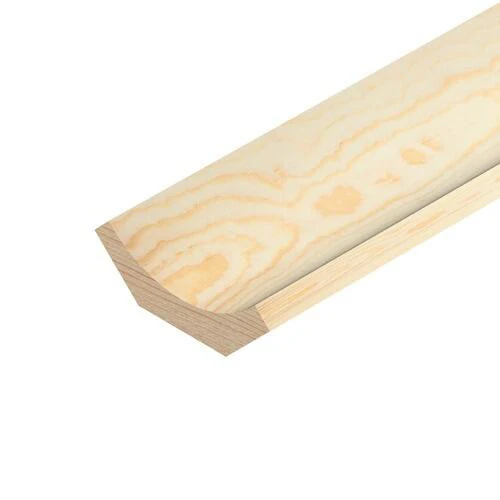
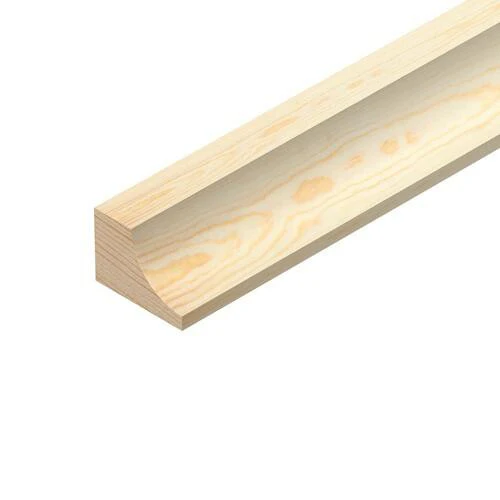
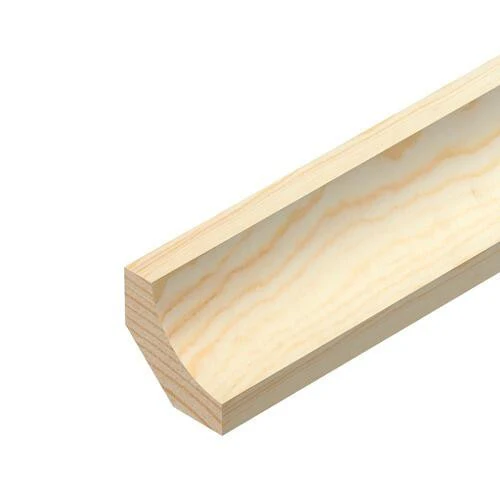
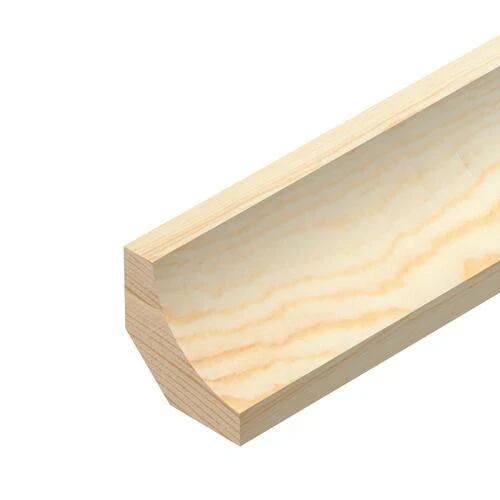
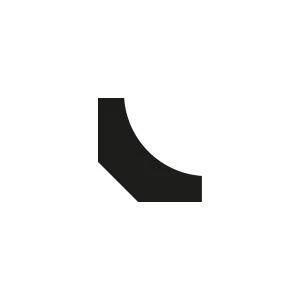
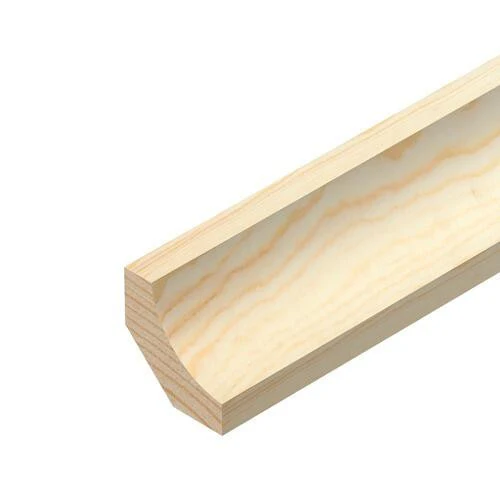
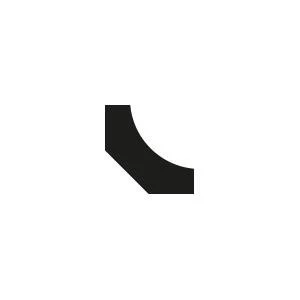
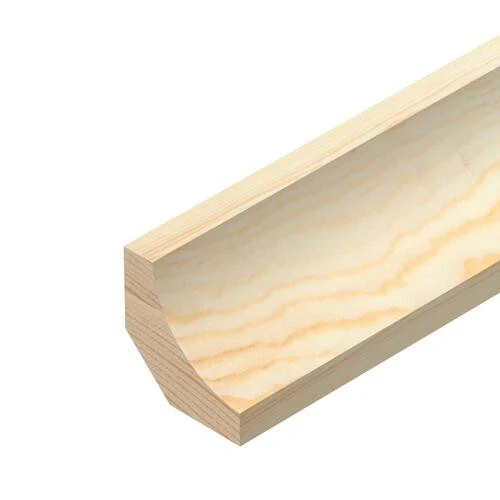
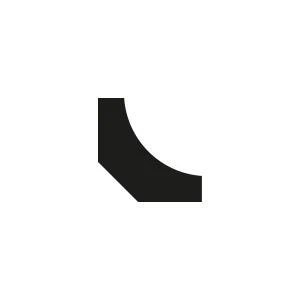
Pine scotia moulding 21mm x 21mm x 2400mm is a concave softwood trim used to cover internal corner joints and close gaps between skirting boards, wooden flooring, and walls. Lightweight and easy to cut, it gives a neat, unobtrusive finish to flooring and joinery installations throughout the home.
Specifications
| Property | Detail |
|---|---|
| Material | Pine (softwood) |
| Finish | Planed, ready to paint or stain |
| Nominal Size | 21mm x 21mm |
| Length | 2400mm (2.4m) |
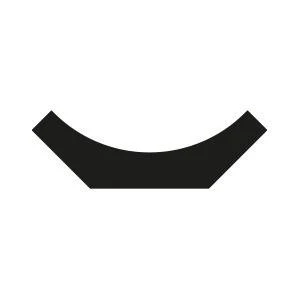
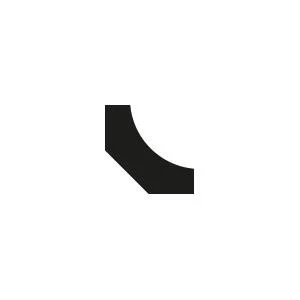
| Profile | Scotia (concave quarter-round) |
What it's used for
- Covering expansion gaps between wooden or laminate flooring and skirting boards
- Finishing internal corner joints where two surfaces meet at 90 degrees
- Neatening the junction between floor beading and wall surfaces in renovation projects
- General internal joinery work where a clean, low-profile trim is required
Fitting and handling
Before fitting, store the moulding flat in the room where it will be installed for at least 24 to 48 hours to allow it to acclimatise to the ambient temperature and humidity, reducing the risk of movement after fixing. Pin nail or glue with a suitable wood adhesive directly to the skirting board rather than the floor, so that any natural floor movement is not restricted. Once fixed, sand lightly with 120-grit paper and apply your chosen paint or stain for a consistent finish.
FAQ
What is the difference between scotia and quadrant moulding?
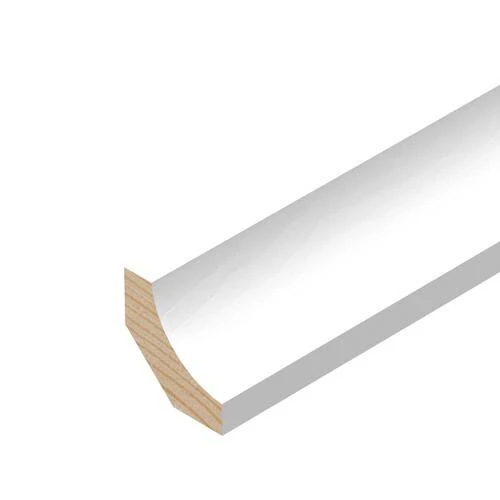
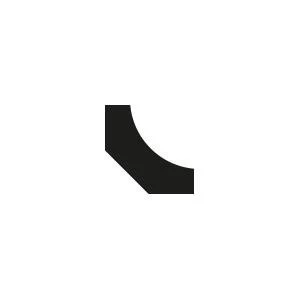
Scotia has a concave (hollowed) curved profile, which gives a slightly deeper shadow line and sits more flush in tight corners. Quadrant moulding has a convex (rounded) profile. Both serve the same purpose of covering gaps and internal corner joints, so the choice is largely one of personal preference and the style of the room.
Can I paint or stain pine scotia moulding?
Yes. Pine takes both paint and stain well. Lightly sand the surface before applying a primer or base coat if painting, or a wood conditioner if staining, to help achieve an even finish. The straight, close grain of this softwood means it absorbs finish consistently with minimal preparation.
How much scotia moulding do I need for a room?
Measure the perimeter of the floor area where scotia is required, then divide by 2.4 to calculate the number of lengths needed. Add around 10 percent to allow for angled cuts and waste, particularly in rooms with many corners or bay features.
Browse the full range of internal trim at Nottage Timber Merchants in our pine mouldings collection. We supply trade and retail customers across Bridgend and South Wales, with next-day delivery available to many local postcodes.
Details & Craftsmanship
Every detail has been carefully considered to bring you the perfect product.
Description
Pine scotia moulding 21mm x 21mm x 2400mm is a concave softwood trim used to cover internal corner joints and close gaps between skirting boards, wooden flooring, and walls. Lightweight and easy to cut, it gives a neat, unobtrusive finish to flooring and joinery installations throughout the home.
Specifications
| Property | Detail |
|---|---|
| Material | Pine (softwood) |
| Finish | Planed, ready to paint or stain |
| Nominal Size | 21mm x 21mm |
| Length | 2400mm (2.4m) |
| Profile | Scotia (concave quarter-round) |
What it's used for
- Covering expansion gaps between wooden or laminate flooring and skirting boards
- Finishing internal corner joints where two surfaces meet at 90 degrees
- Neatening the junction between floor beading and wall surfaces in renovation projects
- General internal joinery work where a clean, low-profile trim is required
Fitting and handling
Before fitting, store the moulding flat in the room where it will be installed for at least 24 to 48 hours to allow it to acclimatise to the ambient temperature and humidity, reducing the risk of movement after fixing. Pin nail or glue with a suitable wood adhesive directly to the skirting board rather than the floor, so that any natural floor movement is not restricted. Once fixed, sand lightly with 120-grit paper and apply your chosen paint or stain for a consistent finish.
FAQ
What is the difference between scotia and quadrant moulding?
Scotia has a concave (hollowed) curved profile, which gives a slightly deeper shadow line and sits more flush in tight corners. Quadrant moulding has a convex (rounded) profile. Both serve the same purpose of covering gaps and internal corner joints, so the choice is largely one of personal preference and the style of the room.
Can I paint or stain pine scotia moulding?
Yes. Pine takes both paint and stain well. Lightly sand the surface before applying a primer or base coat if painting, or a wood conditioner if staining, to help achieve an even finish. The straight, close grain of this softwood means it absorbs finish consistently with minimal preparation.
How much scotia moulding do I need for a room?
Measure the perimeter of the floor area where scotia is required, then divide by 2.4 to calculate the number of lengths needed. Add around 10 percent to allow for angled cuts and waste, particularly in rooms with many corners or bay features.
Browse the full range of internal trim at Nottage Timber Merchants in our pine mouldings collection. We supply trade and retail customers across Bridgend and South Wales, with next-day delivery available to many local postcodes.